15 Jun 2026
Charting Secure Transaction Routes That Align Loyalty Incentives with Oversight Protocols Across Hybrid Gaming Formats
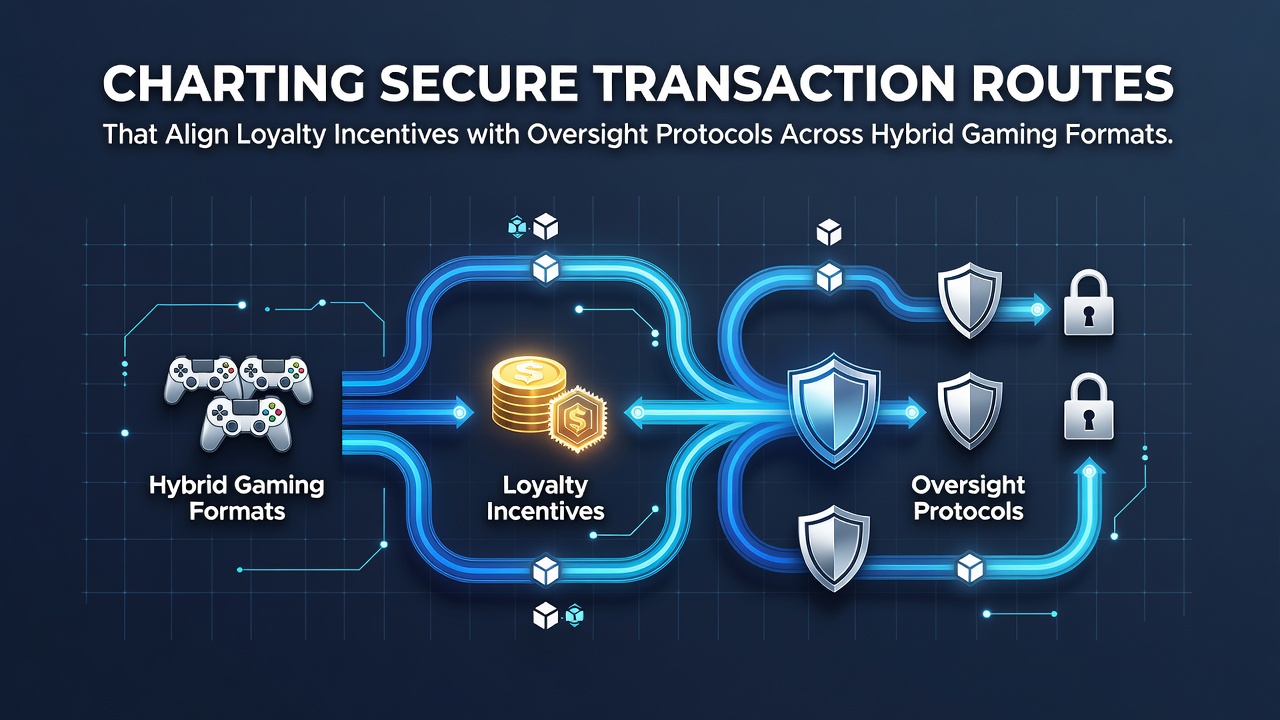
Hybrid gaming formats blend online platforms with land-based venues through mobile apps and connected systems, creating seamless player experiences that span digital slots, table games, and physical casino floors. Secure transaction routes form the backbone of these operations because they handle deposits, withdrawals, and loyalty redemptions while meeting regulatory standards that differ across jurisdictions. Data from industry reports show continued expansion in these combined formats through mid-2026, with transaction volumes rising as operators integrate real-time payment rails and encrypted ledgers.
Core Components of Transaction Security in Hybrid Systems
Operators route funds through layered protocols that combine tokenization, multi-factor authentication, and distributed ledger elements to prevent interception during transfers between online wallets and venue kiosks. Researchers at academic institutions tracking gaming technology note that encryption standards such as AES-256 combined with blockchain verification reduce fraud incidents by routing each transaction through multiple validation nodes before funds reach player accounts. These pathways must also accommodate loyalty incentives like bonus credits or tiered rewards that convert across formats without creating compliance gaps.
Payment processors in the United States coordinate with state-level bodies such as the National Conference of State Legislatures to standardize reporting on cross-channel activity. This coordination ensures that loyalty accruals from mobile sessions appear accurately in physical venue databases, allowing players to redeem perks at either location while audit trails remain intact.
Integrating Loyalty Incentives with Regulatory Oversight
Loyalty programs in hybrid environments track player behavior across channels to award points that unlock free spins, cashback percentages, or VIP access, yet these systems require built-in oversight checkpoints that flag unusual patterns. Observers note that automated reconciliation tools compare transaction logs against regulatory thresholds every few hours, which prevents incentive structures from conflicting with anti-money laundering rules enforced in regions including Canada and Australia. In June 2026 several operators updated their routing algorithms to embed compliance checks directly into reward distribution, so that high-value redemptions trigger additional verification without delaying player access.
Regional Variations in Oversight Protocols
European regulators outside the UK emphasize data portability standards that let players move loyalty balances between licensed platforms while maintaining encryption throughout the transfer. Australian authorities have implemented similar requirements through the Australian Communications and Media Authority, requiring operators to demonstrate that transaction routes isolate personal data from promotional ledgers. Canadian provincial frameworks add another layer by mandating real-time reporting to centralized monitoring hubs, which hybrid operators satisfy by deploying API gateways that feed both loyalty engines and oversight dashboards simultaneously.
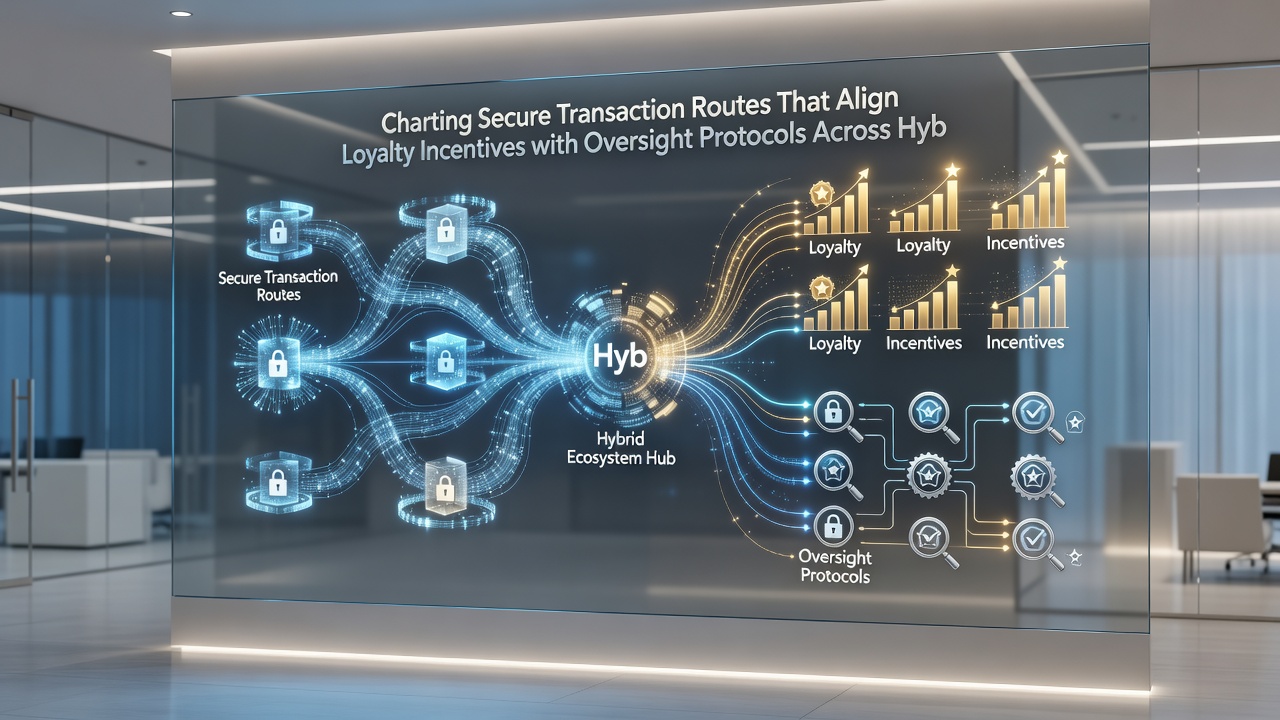
Those who manage large-scale deployments often discover that single points of failure emerge when loyalty calculations bypass oversight filters. One documented approach involves splitting transaction streams into parallel channels, where one handles raw payments and the other processes incentive metadata, allowing independent audits that satisfy multiple regulatory bodies at once. This separation proves especially useful in markets where tax reporting differs between online and land-based activity.
Technological Pathways Supporting Alignment
Cloud-based orchestration platforms now manage the flow of funds and rewards by assigning each player session a unique routing identifier that persists across devices and venues. These identifiers link deposit records to loyalty tier updates while embedding regulatory tags that trigger automatic holds if thresholds are approached. Industry studies reveal that adoption of such identifiers accelerated during the first half of 2026 as operators prepared for updated cross-border data standards.
Smart contracts deployed on permissioned networks automate portions of the incentive distribution process, releasing rewards only after oversight protocols confirm that source funds originated from verified accounts. This automation reduces manual intervention yet preserves human review queues for edge cases that algorithms flag as ambiguous. Data indicates that these contract-based systems cut reconciliation time by measurable margins while maintaining full auditability demanded by oversight agencies.
Operational Examples Across Formats
Take one operator active in both digital and physical markets who routes mobile deposits through an intermediary clearing house before crediting either online balances or on-site kiosks. The same clearing house logs loyalty accruals in a separate but linked database, enabling players to accumulate points whether they play on a phone during travel or at a venue terminal. Reports compiled by research groups tracking gaming infrastructure show that such integrated clearing mechanisms handled increased volumes without proportional rises in compliance incidents during the spring and early summer of 2026.
Another configuration uses geofencing combined with device fingerprinting to ensure that loyalty redemptions respect location-specific rules. When a player attempts to convert points earned online into physical venue credits, the system checks jurisdictional flags before authorizing the transfer. This approach aligns incentive delivery with oversight requirements that vary between states or provinces, and it avoids the creation of duplicate or conflicting records.
Conclusion
Secure transaction routes that connect loyalty incentives to oversight protocols continue to evolve as hybrid gaming expands across digital and physical channels. Operators achieve alignment by deploying layered verification, parallel data streams, and automated compliance checks that satisfy diverse regulatory expectations without interrupting player journeys. Figures from multiple jurisdictions demonstrate that these integrated pathways support growing transaction volumes while preserving the integrity of both reward systems and regulatory reporting. Continued refinement of routing logic remains essential as new formats and standards emerge.