24 Jun 2026
Deposit Routes Fueling Bonus Tiers and Security Measures Across Digital Slot Platforms
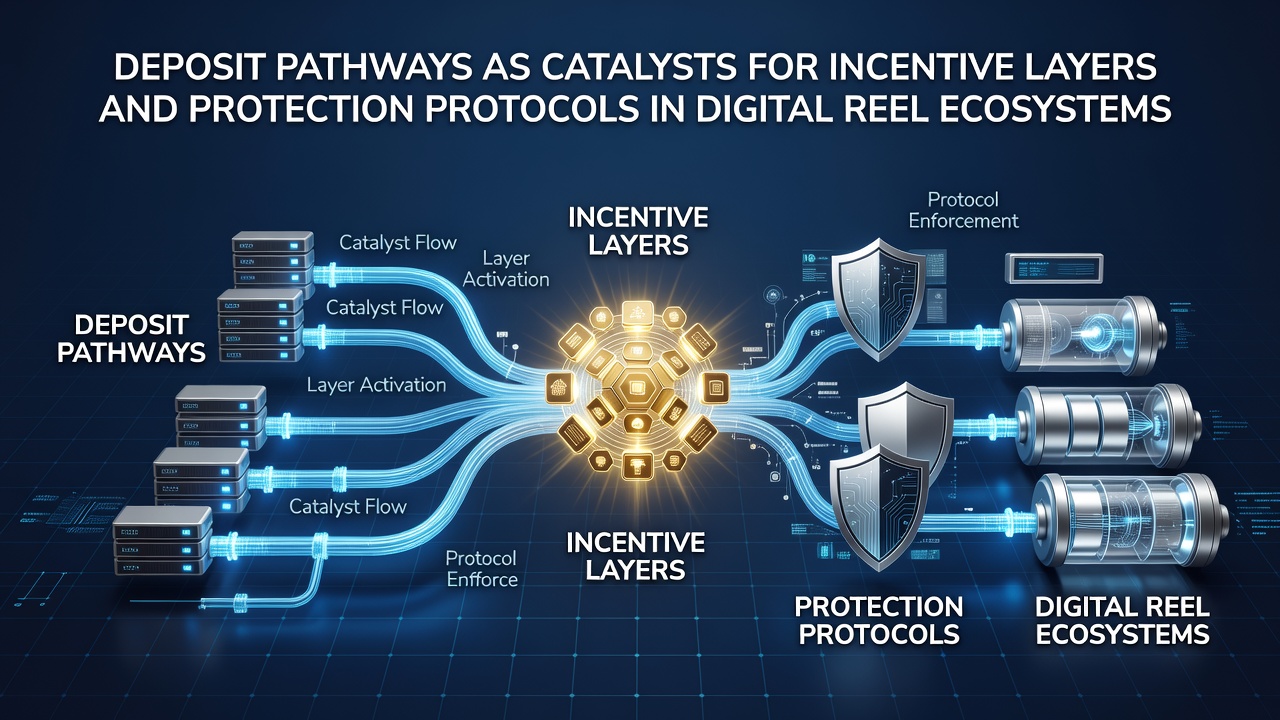
Deposit pathways serve as foundational elements in digital reel ecosystems, where funding mechanisms directly enable layered incentives such as free spins, loyalty points, and progressive rewards while simultaneously activating verification processes that strengthen player safeguards. These routes, including bank transfers, e-wallets, and card-based options, function as entry points that platforms use to structure bonuses around deposit amounts and frequencies, creating tiered systems that scale with user activity. Data from industry reports shows that platforms integrate these pathways with automated triggers, ensuring bonuses activate only after successful deposits clear compliance checks.
Mechanics of Deposit Pathways in Slot Environments
Digital slot platforms rely on deposit pathways to establish initial user accounts and ongoing engagement cycles, with each method carrying distinct processing speeds and verification requirements that influence how quickly incentives become available. Bank transfers often involve longer clearance periods compared to instant e-wallet options, yet they provide stronger audit trails that platforms link to protection protocols like spending limits and self-exclusion tools. Researchers at academic institutions have documented how these differences affect user retention, noting that faster pathways correlate with quicker access to promotional layers while slower ones allow additional security layers to process in the background.
Payment providers integrate APIs that platforms use to monitor deposit patterns in real time, flagging unusual activity that could indicate risk and prompting additional identity verification steps. This integration turns deposits into catalysts for both rewards and safeguards, as successful transactions unlock bonus eligibility while failed or suspicious ones activate review protocols. Observers note that in June 2026, several platforms updated their systems to align with evolving regional standards, incorporating deposit thresholds that automatically adjust incentive availability based on verified account status.
Incentive Layers Activated Through Deposits
Once a deposit completes, platforms apply incentive layers that reward volume and consistency, such as matching percentages on initial funds or escalating free spin allocations tied to cumulative deposits over defined periods. These structures operate on algorithmic models where deposit size determines bonus scale, creating pathways from basic promotions to advanced VIP benefits that include personalized cashback and priority support. Evidence from platform analytics indicates that users who route deposits through preferred methods receive accelerated progress toward higher tiers, as systems prioritize verified transactions for reward distribution.
Multi-layered bonuses often combine deposit-triggered elements with time-based conditions, where a single funding action can initiate a sequence of rewards that unfold across multiple sessions. Industry studies reveal that this approach maintains engagement by linking protection measures, like mandatory cooling-off periods after large deposits, directly to the same pathways that deliver incentives. Those who track these systems find that platforms balance reward generosity with risk controls by capping bonus values on unverified deposits until full documentation clears.
Protection Protocols Tied to Funding Routes
Protection protocols embed themselves into deposit pathways through identity checks, transaction limits, and automated alerts that activate upon deposit completion or pattern detection. Regulatory frameworks in regions such as Australia require platforms to verify user details before processing high-value deposits, which in turn gates access to certain incentive layers until compliance confirms. This linkage ensures that safeguards operate in tandem with rewards, preventing bonus abuse while allowing legitimate users to progress through promotional structures.
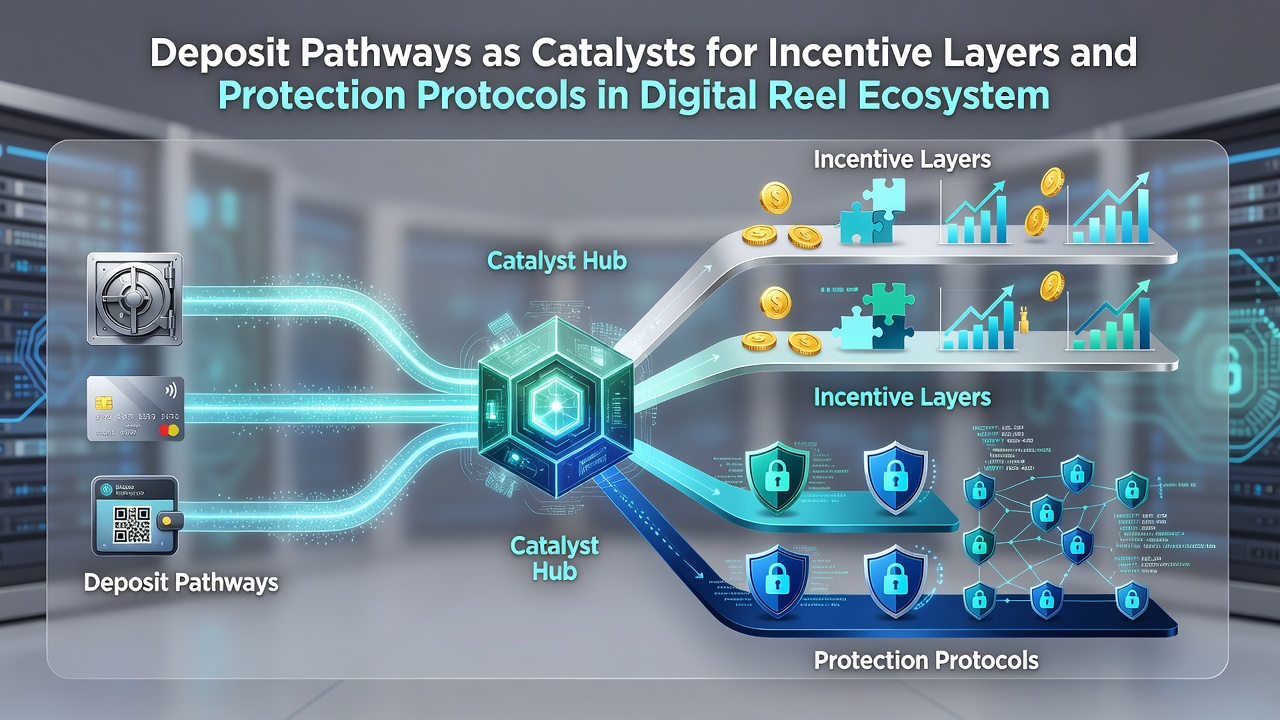
Deposit monitoring tools scan for velocity patterns and cross-reference them against self-imposed limits that users set during account setup, pausing further incentives if thresholds approach. Data indicates that such protocols reduce instances of excessive play by interrupting reward cycles at predefined points, while still permitting standard gameplay. Platforms in Canada have adopted similar measures, with government sources highlighting how deposit-linked verifications contribute to broader responsible gaming initiatives across the sector.
Encryption standards and fraud detection systems operate continuously along these pathways, securing funds during transfer and validating recipient accounts before incentives release. This technical foundation supports both user trust and regulatory compliance, as transaction logs provide evidence for audits that review how protection measures align with incentive delivery. What's interesting is how platforms refine these systems based on aggregated data, adjusting deposit requirements to better match regional player behaviors without disrupting reward flows.
Regional Variations and June 2026 Developments
European platforms demonstrate varied approaches to deposit pathways, with some emphasizing prepaid card options that inherently limit exposure and tie directly into capped bonus structures. Australian regulatory updates around mid-2026 introduced requirements for deposit confirmations to include responsible gambling prompts, linking funding actions more explicitly to protection education modules before incentives activate. These changes reflect broader efforts to standardize how pathways serve dual roles in rewards and safety across jurisdictions.
North American operators have incorporated deposit-based loyalty multipliers that adjust according to verified play history, creating incentive layers that reward consistent, monitored funding while enforcing session reminders. Academic papers from research institutions document the effectiveness of these integrations, showing measurable shifts in user patterns when protection features activate alongside deposit-triggered bonuses. Platforms continue to evolve these models, incorporating feedback from transaction data to fine-tune thresholds and verification steps.
Conclusion
Deposit pathways function as integrated components within digital reel ecosystems, where they simultaneously enable incentive scaling and enforce protection protocols through automated linkages and compliance checks. As platforms adapt to June 2026 standards and regional requirements, these mechanisms maintain operational balance by connecting funding actions to both reward progression and risk mitigation. Continued refinement of these systems supports sustainable platform operations while providing structured access to bonuses and safeguards for users across multiple markets.