26 Jun 2026
Diverse Funding Channels Propel Reward Programs and Player Safeguards in Modern Gaming Mixes
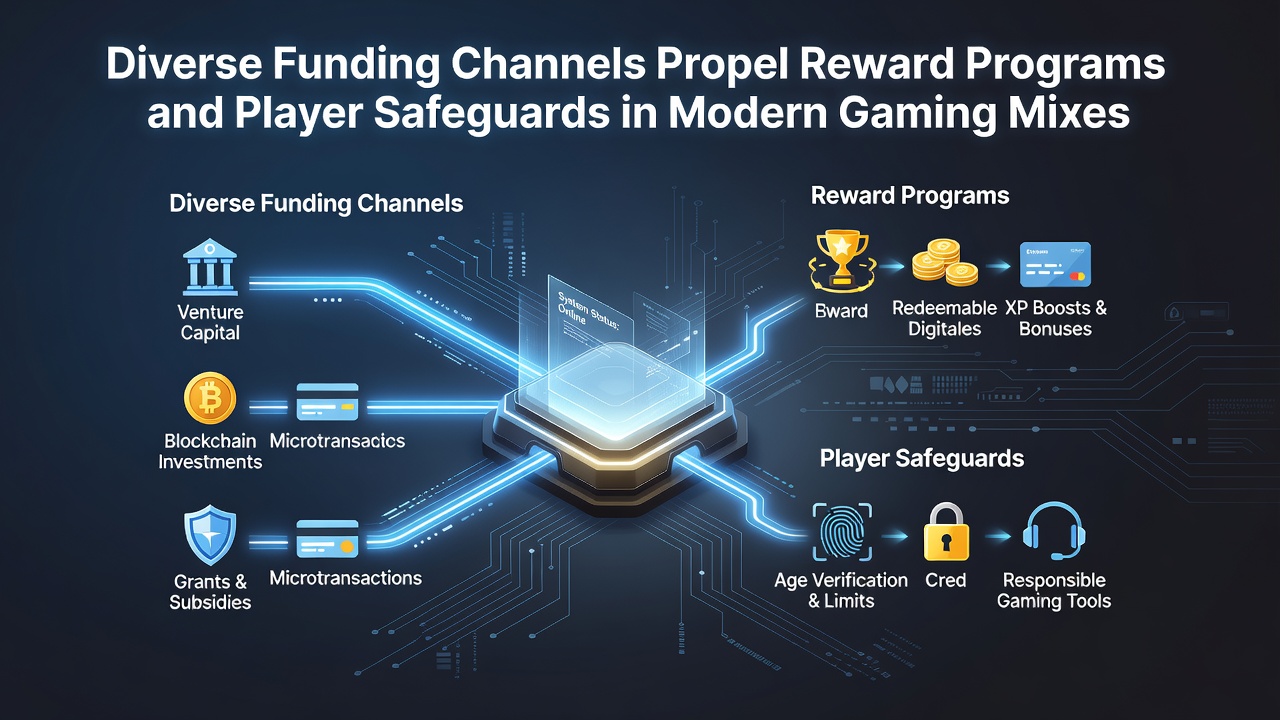
Data indicates that multiple funding channels now support integrated reward systems while strengthening player protections across digital gaming environments, and this trend has accelerated through mid-2026. Payment options such as electronic wallets, bank transfers, and digital currencies enable platforms to deliver instant bonuses alongside verification protocols that reduce fraud risks. Observers note these mechanisms create seamless experiences where deposits trigger loyalty points or free play credits without delays.
Payment Diversity Expands Reward Access
Electronic wallets facilitate rapid transactions that unlock tiered rewards faster than traditional methods, and players using these options often receive elevated bonus percentages on initial deposits. Bank transfers, meanwhile, provide stability for larger sums that qualify users for VIP escalators and exclusive jackpot entries. Cryptocurrency channels add another layer by allowing anonymous yet traceable funding that platforms convert into promotional credits while maintaining compliance records.
Studies from the University of Nevada Reno Gaming Research Center reveal that platforms offering at least four funding varieties see higher engagement rates in reward programs compared to those limited to two options. This occurs because varied methods match different player preferences for speed, privacy, and transaction limits. Those who deposit via mobile-linked wallets, for instance, gain access to time-sensitive promotions that expire within hours of funding.
Safeguards Integrated Into Funding Flows
Verification steps tied directly to funding sources enhance safeguards by confirming user identity before rewards activate, and this process prevents unauthorized accounts from accumulating bonuses. Multi-factor authentication during deposits also flags suspicious patterns early, allowing systems to pause play and offer responsible gaming tools such as deposit caps. Data from the Malta Gaming Authority shows that integrated payment safeguards correlate with lower dispute rates in player accounts during the first half of 2026.
June 2026 saw several platforms update their systems to link funding verification with real-time spending alerts, which notify users when they approach self-imposed limits. These alerts connect directly to reward tracking so that players maintain control while still progressing through loyalty levels. Industry reports highlight how this combination reduces instances of excessive play without removing the incentive structures that keep users engaged.
Regional Examples Illustrate Global Patterns
Platforms in European markets demonstrate how combining local bank transfers with international e-wallets supports cross-border reward redemptions while adhering to strict data protection rules. In contrast, North American operators have incorporated cryptocurrency options that tie into state-level oversight for jackpot payouts, ensuring funds reach verified winners promptly. Australian regulatory frameworks emphasize bank transfer transparency that feeds into centralized player protection databases, allowing rewards to accumulate only after safety checks clear.

One operator in the Asia-Pacific region adopted hybrid funding that merges traditional cards with digital assets, resulting in reward programs that adjust bonus values based on transaction security scores. This approach rewards users who opt for verified channels with higher free spin allocations while maintaining audit trails for all activity. Researchers discovered such adaptations improve retention because players perceive both generosity and reliability in the system.
Technical Mechanisms Behind the Integration
Application programming interfaces connect payment processors to backend reward engines, enabling automatic credit issuance once funds clear and identity checks pass. Smart contracts on certain blockchain-based channels further automate safeguard triggers by releasing rewards only after predefined conditions like minimum playtime or deposit frequency are met. These technical layers operate continuously, updating player profiles in real time without manual intervention.
Transaction data feeds into analytics tools that identify at-risk behaviors early, and platforms respond by adjusting reward availability rather than halting access outright. This measured response maintains engagement while directing users toward lower-risk activities such as promotional tournaments with capped stakes. Evidence suggests these adjustments contribute to sustained participation across diverse funding preferences throughout 2026.
Conclusion
Diverse funding channels continue to shape how reward programs and player safeguards operate together in modern gaming setups, with June 2026 updates reinforcing the connections between deposits, bonuses, and protection features. Platforms that leverage multiple methods achieve broader reach and stronger compliance simultaneously. The patterns observed indicate ongoing refinement as operators balance incentive delivery with risk management across global markets.