29 May 2026
Hybrid Reel Dynamics: Mapping Integrated Payment Routes, Reward Frameworks, and Monitoring Mechanisms in Live Table Settings

Hybrid reel systems blend digital slot mechanics with live dealer interactions at physical and virtual tables, creating unified environments where payment flows, reward accumulation, and compliance checks operate in tandem. These setups allow players to transition between automated reels and human-led games while maintaining consistent account balances and tracking histories. Data from industry reports shows that such integrations have expanded across multiple jurisdictions since 2024, with transaction volumes rising steadily through combined interfaces.
Payment Pathways in Blended Gaming Environments
Payment routes in these hybrid setups connect traditional table buy-ins with reel-based deposits through shared wallets that update in real time. Operators route funds via digital ledgers that sync across mobile apps and on-site terminals, enabling instant transfers between live blackjack sessions and adjacent slot reels. Research from the National Council on Problem Gambling indicates that streamlined pathways reduce processing delays by linking bank transfers directly to game credits without separate verification steps for each format.
Electronic transfers and prepaid cards feed into central accounts that support both automated spins and dealer-managed bets, while cryptocurrency options appear in select markets under strict conversion protocols. Observers note that these connections rely on API bridges between payment processors and gaming platforms, ensuring balances reflect activity from either side of the hybrid experience. In May 2026 certain regional frameworks introduced enhanced reconciliation requirements that mandate dual confirmation for cross-format transfers exceeding set thresholds.
Loyalty Structures Across Reel and Table Formats
Loyalty programs in hybrid environments accumulate points from reel outcomes and live table decisions within single tier systems that recognize combined play volume. Players earn status through wagers placed on digital reels during intervals between live dealer rounds, with multipliers applied based on game type and session length. Studies conducted by the Responsible Gambling Council reveal that integrated structures encourage sustained participation by converting table results into reel bonuses and vice versa.
Tier progression depends on tracked metrics such as total handle and frequency of play across both formats, granting access to personalized offers like accelerated cashback on live games or exclusive reel features. Those who have examined these programs find that data segmentation allows operators to adjust reward rates dynamically, aligning incentives with observed player patterns without disrupting table flow. External links to loyalty databases maintain continuity even when participants switch between online and venue-based sessions.
Oversight Tools for Live Table and Reel Integration
Monitoring mechanisms combine algorithmic detection with manual review to flag irregular patterns spanning reel sequences and live bets. Software platforms log every transaction and outcome in unified databases that regulatory bodies access for compliance audits, highlighting discrepancies in timing or amount that might indicate manipulation attempts. Figures from the Australian Gambling Research Centre demonstrate that real-time dashboards improve detection rates for suspicious activity by correlating data points from multiple game types simultaneously.
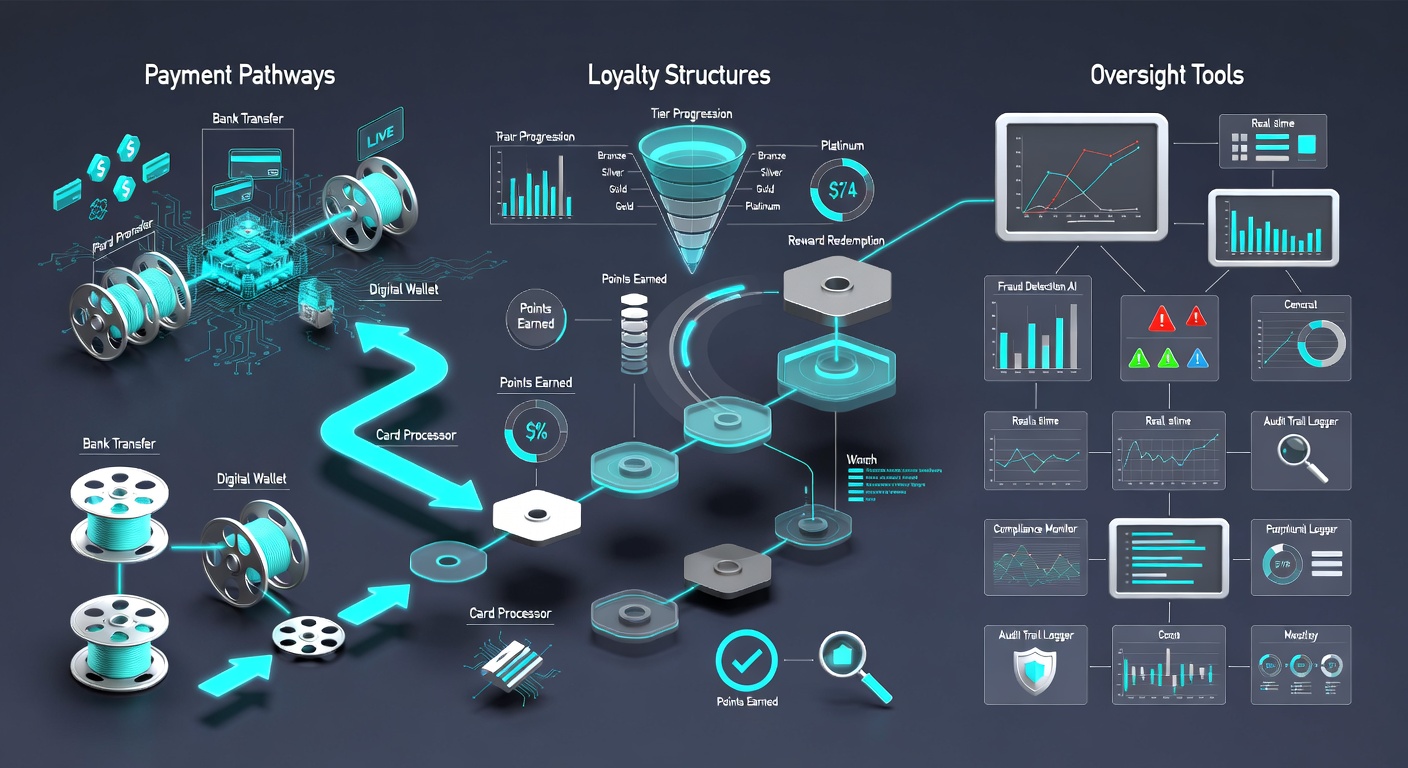
Session controls embedded in hybrid interfaces permit players to set spending caps that apply uniformly across reels and tables, with automatic pauses triggered when limits approach. These tools integrate with identity verification systems that cross-reference player data against watchlists maintained by international gaming associations. What's notable is how oversight extends to loyalty redemptions, ensuring points earned through one format convert without violating jurisdictional spending rules.
Developments Observed in Mid-2026 Operations
By May 2026 several markets had implemented updated reporting standards requiring operators to submit aggregated data on hybrid transaction flows within shorter intervals. These changes built upon earlier protocols by mandating inclusion of loyalty tier movements alongside payment records, creating more comprehensive audit trails. Industry organizations report that adoption of standardized APIs has facilitated smoother information exchange between platforms and oversight agencies across different regions.
Case examples from North American venues show hybrid systems incorporating biometric checks at table entry points that link directly to reel account profiles, reducing unauthorized access risks. Researchers discovered that such measures align with broader efforts to maintain transparency while supporting continuous play across formats. Yet the emphasis remains on factual tracking rather than interpretive judgments about player behavior.
Conclusion
Hybrid reel dynamics continue to evolve through interconnected payment routes, unified loyalty frameworks, and layered oversight mechanisms that span live table encounters. Data compiled from regulatory updates and operational reports confirms steady integration across platforms, with May 2026 marking incremental refinements in reconciliation and reporting practices. Those examining these systems observe consistent patterns in how funds move, rewards accrue, and controls activate within blended gaming spaces.