15 Jul 2026
Layered Rewards Driving Steady Engagement in Jackpot Slot Games

Operators have developed reward layering techniques that combine multiple incentive types into sequential structures, and these methods encourage players to maintain controlled activity levels while pursuing jackpot opportunities. Data from gaming authorities shows that such systems often tie initial rewards to modest deposit thresholds, after which additional layers unlock based on consistent but capped play volumes.
Basic free spin allocations form the foundation layer in many jackpot offerings, and platforms activate them automatically upon qualifying deposits without requiring excessive wagering commitments. Subsequent layers introduce bonus multipliers or cashback percentages that scale according to accumulated session time rather than total stake amounts, and this design helps regulate overall participation rates.
Core Components of Layered Systems
Researchers have identified several standard elements that appear across these frameworks. Progressive jackpot qualifiers sit at higher tiers and activate only after players complete lower reward cycles, which prevents direct jumps to high-stakes chasing behaviors. Loyalty point accumulations run parallel to these cycles and convert into non-cash benefits such as extended play credits that reset monthly, and observers note this structure supports sustained but measured involvement over longer periods.
Take one platform that introduced a three-stage model in early 2026 where stage one delivered 20 free spins on low-volatility jackpot titles, stage two added 50 percent cashback on net losses up to a fixed daily cap, and stage three granted entry into a separate prize pool once players reached a predetermined number of spins within defined limits. Participation metrics collected after rollout indicated steadier daily login patterns compared to flat bonus models used previously.
Integration With Jackpot Mechanics
Jackpot contributions often receive separate weighting within layered rewards so that players accumulate toward larger prizes at reduced rates relative to their base bets. This separation allows operators to promote jackpot access while embedding automatic session reminders and spending trackers that activate at each layer transition. Studies from academic sources indicate these reminders correlate with lower average session durations when players engage with multi-tier programs.
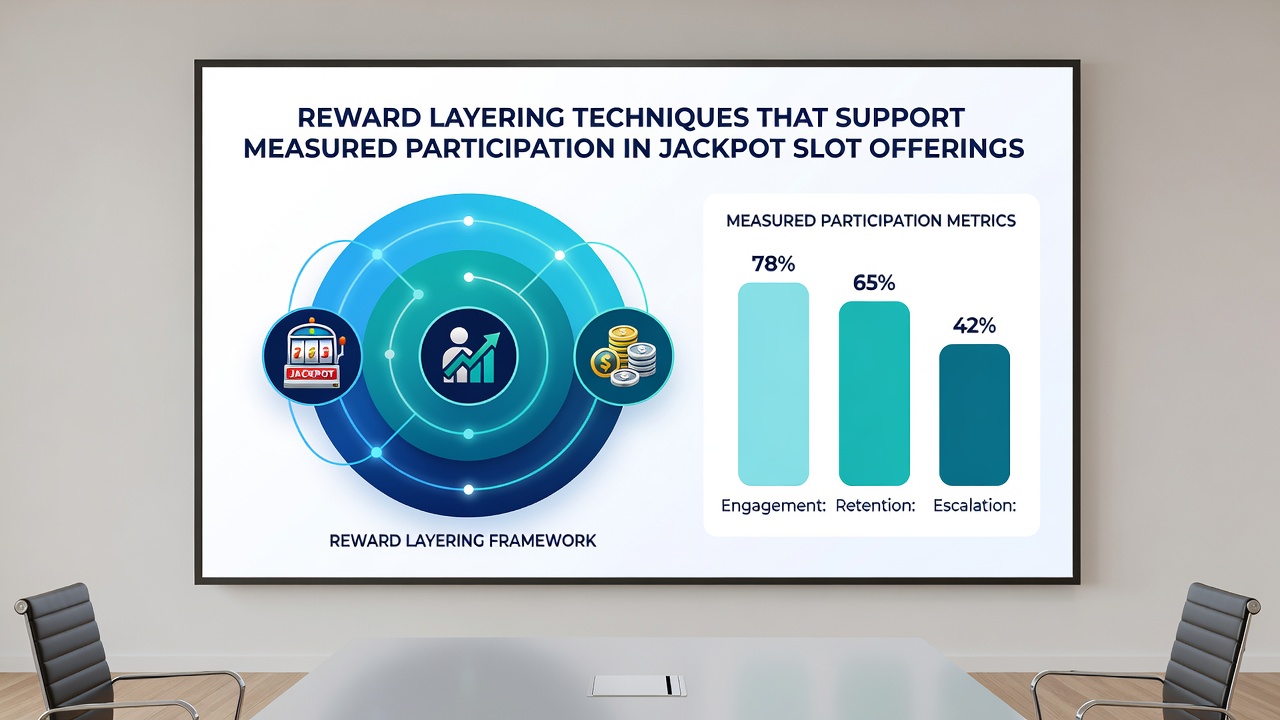
Turns out many systems now embed real-time balance adjustments that scale jackpot contributions downward once players approach predefined daily thresholds, and this adjustment occurs automatically without requiring player intervention. Industry reports from the Alcohol and Gaming Commission of Ontario highlight how such automated scaling has appeared in several Canadian-regulated markets since mid-2025, with similar patterns emerging elsewhere by July 2026.
Examples From Operational Deployments
One European operator combined free spin bundles with time-based VIP escalators that required only minimum weekly activity to maintain status, and this approach reduced the incentive for extended single sessions. Another deployment in Australia linked jackpot entries to a points system where excess play beyond daily caps earned no additional progress toward higher rewards, according to data shared by the Australian Gambling Research Centre.
What's interesting is how these techniques often incorporate mobile-specific features such as push notifications that summarize progress across layers without encouraging immediate return play. Payment integrations also play a role because instant deposit options pair with spending limit tools that automatically pause reward accumulation once caps are reached.
Observed Patterns in Participation Data
Figures from multiple jurisdictions reveal that layered programs tend to distribute player activity more evenly across days of the week rather than concentrating it around major jackpot triggers. This distribution occurs because each layer includes built-in cooldown periods or alternative reward paths that do not require continued high-volume spins.
Experts tracking these systems point to the use of segmented bonus pools where jackpot contributions remain active even during lower-stake play phases, and this segmentation keeps engagement alive without pushing stake escalation. By July 2026 several platforms had refined their layer transitions to include optional pause features that let players bank current progress for later resumption within the same reward cycle.
Conclusion
Reward layering continues to evolve as operators refine how multiple incentive types interact within jackpot environments, and available data indicates these structures can support more consistent participation patterns when designed with graduated access and automatic controls. Continued monitoring from regulatory bodies and research institutions will likely shape further adjustments to these techniques in coming periods.