22 Jun 2026
Payment Systems and Safety Measures in Progressive Reel Gaming Environments

Progressive reel ecosystems rely on seamless transaction tools that support rapid deposits and withdrawals while operators embed protection features to maintain compliance and user safety, and these elements interact constantly in systems that feature accumulating jackpots across linked machines. Data from regulatory bodies shows steady growth in such platforms, with transaction volumes rising alongside adoption of tools like digital wallets and instant bank transfers that reduce friction during play sessions.
Core Components of Transaction Tools
Transaction tools encompass methods that facilitate funding accounts and cashing out winnings, and they include options such as e-wallets, prepaid cards, and direct bank integrations that process requests in seconds rather than hours. In progressive setups these tools connect directly to jackpot pools, which means any delay in verification can affect player access to accumulating prizes across multiple sites or jurisdictions. Researchers at institutions tracking digital payments note that integration of blockchain elements has begun appearing in some markets to add transparency without extending processing times.
Operators design these tools to handle high-frequency micro-transactions common in reel games, where players adjust bet sizes frequently while chasing progressive triggers. Evidence from industry reports indicates that platforms using API-based payment gateways achieve completion rates above 95 percent for deposits under standard conditions, although peak periods during jackpot growth phases can strain systems if not scaled properly.
Protection Features and Their Integration
Protection features operate through settings that allow users to establish deposit caps, session timers, and self-exclusion periods, and these run parallel to transaction flows so that limits activate automatically when thresholds near. In progressive reel environments the features extend to jackpot-specific alerts that remind participants of elapsed time or total amounts wagered since the last break. Observers note that such measures help align with broader responsible gaming frameworks adopted in regions outside the UK, including standards from iGaming Ontario that emphasize real-time monitoring.
Systems achieve balance when transaction approvals incorporate checks against active protection settings, for example blocking a deposit that would exceed a daily cap before the transfer processes. This linkage prevents overspending while preserving the speed that players expect during live jackpot chases. Data from the Australian Gambling Research Centre reveals that platforms with synchronized tools report lower rates of disputed transactions compared to those treating payments and protections as separate modules.
Technical Challenges in June 2026 Updates
By June 2026 several jurisdictions rolled out enhanced API requirements that mandate transaction tools to query protection databases before every major action, and this change affects how progressive jackpots update in real time across networks. Engineers address latency by caching verification results for short windows, yet they maintain audit logs that regulators can access for compliance reviews. Those who have implemented these updates report that the combined architecture reduces manual interventions by up to 40 percent according to internal metrics shared at industry conferences.
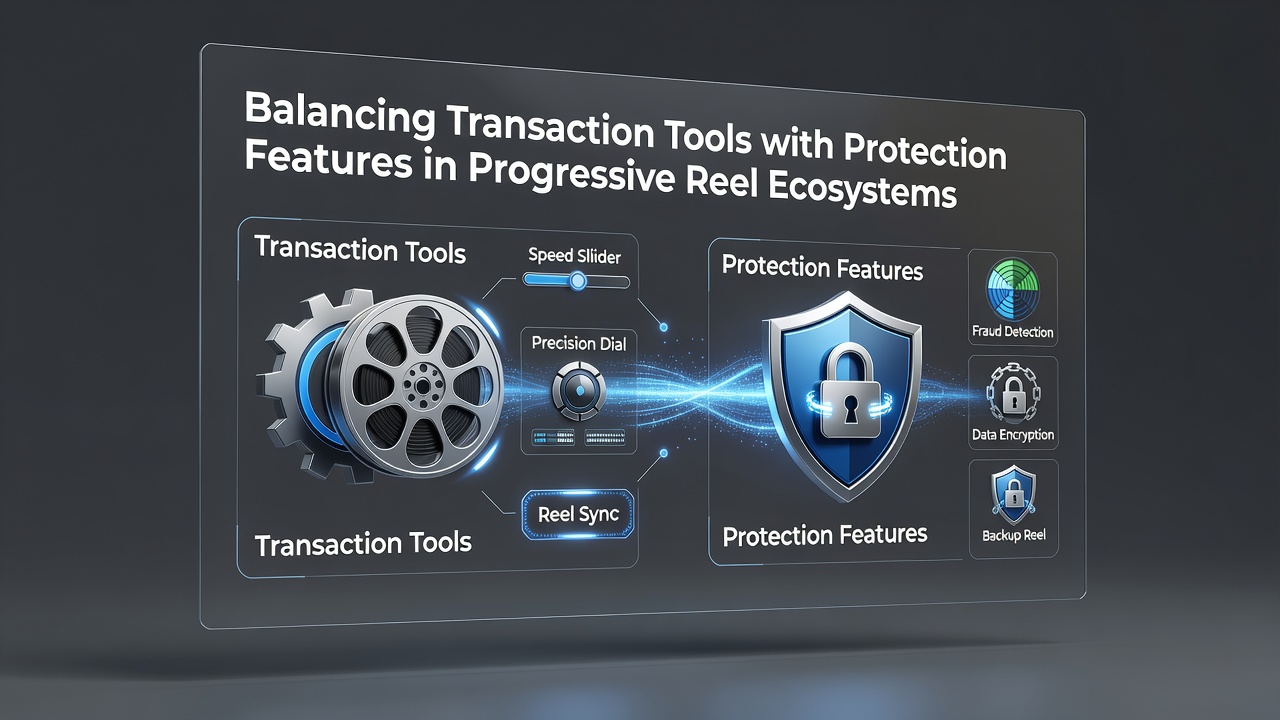
One case study from Canadian operators highlights how progressive systems adapted to these rules by partitioning jackpot contributions into protected and standard segments, which allows continued growth of prizes even when individual accounts hit temporary limits. This approach keeps the ecosystem functional while respecting user-set boundaries.
Regional Approaches and Data Trends
European markets outside the UK have experimented with unified ledgers that record both transactions and protection events on the same chain, and studies from the University of Nevada Gaming Research Center show improved traceability without compromising processing speed. In contrast, certain US state frameworks prioritize third-party verification services that sit between payment providers and game servers, creating an extra layer that scans for patterns indicative of problem play.
Figures from these varied sources demonstrate consistent patterns: transaction tool adoption correlates with higher player retention when protection features activate proactively rather than reactively. Operators continue refining algorithms that predict when a user might benefit from an automatic cooling-off prompt tied to recent deposit activity.
Conclusion
Progressive reel ecosystems demonstrate that transaction tools and protection features can function as interconnected systems rather than competing priorities, and ongoing refinements in June 2026 underscore the technical feasibility of maintaining speed alongside safeguards. Continued data collection from diverse regulatory environments supports further optimization of these balances across global platforms.