1 Jul 2026
Payment Variety Strengthens Bonus Integration and Player Protections in Digital Entertainment Growth
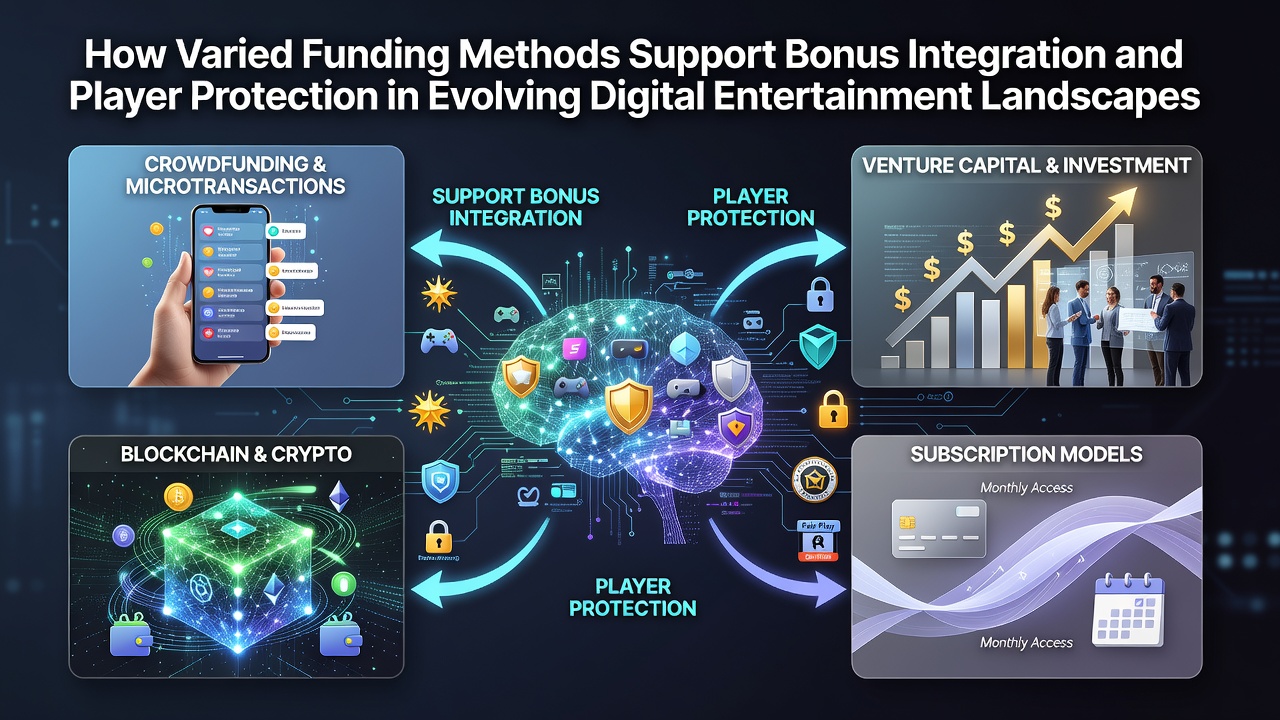
Digital entertainment platforms rely on multiple funding approaches to integrate bonuses seamlessly while maintaining robust player safeguards, and observers note that this combination has become central to industry operations by mid-2026. Credit cards, e-wallets, bank transfers, and emerging digital currencies each bring distinct processing speeds and verification layers that directly influence how operators deliver promotions and enforce spending limits. Research from the European Gaming and Betting Association indicates that platforms using at least four distinct payment categories report higher rates of successful bonus redemptions alongside fewer instances of unauthorized access attempts.
Funding Methods Shape Bonus Delivery Timelines
E-wallets such as those offered by established providers allow instant deposits that trigger promotional credits within seconds, which means players gain immediate access to matched funds or free spin packages without waiting for bank clearing periods. Bank transfers, by contrast, introduce deliberate delays that some systems use to verify account ownership before releasing larger bonus tiers, and this built-in pause reduces the chance of rapid, repeated claims that could strain responsible gaming protocols. Credit card processors often embed their own authentication steps, so operators can layer additional identity checks that align with bonus eligibility rules and prevent duplicate accounts from claiming overlapping rewards. Data from industry reports shows that sites incorporating these varied timelines experience more stable player engagement patterns because promotions remain accessible yet controlled through the funding channel itself.
Security Features Embedded in Payment Channels
Many funding options now carry native fraud detection tools that feed directly into player protection frameworks, and platforms map these signals to bonus systems to flag unusual activity before rewards are issued. Digital currency transactions include blockchain verification that creates transparent audit trails, which helps operators confirm that funds originate from verified sources and that bonus conditions tied to wagering requirements stay intact. E-wallet services frequently provide spending caps that users set at the payment level, and these controls sync with platform-side limits to create overlapping safeguards without requiring separate player intervention each session. Observers have noted that jurisdictions outside the UK, including parts of Canada and Australia, have encouraged such integrations because they distribute responsibility across payment providers rather than concentrating it solely with gaming operators.
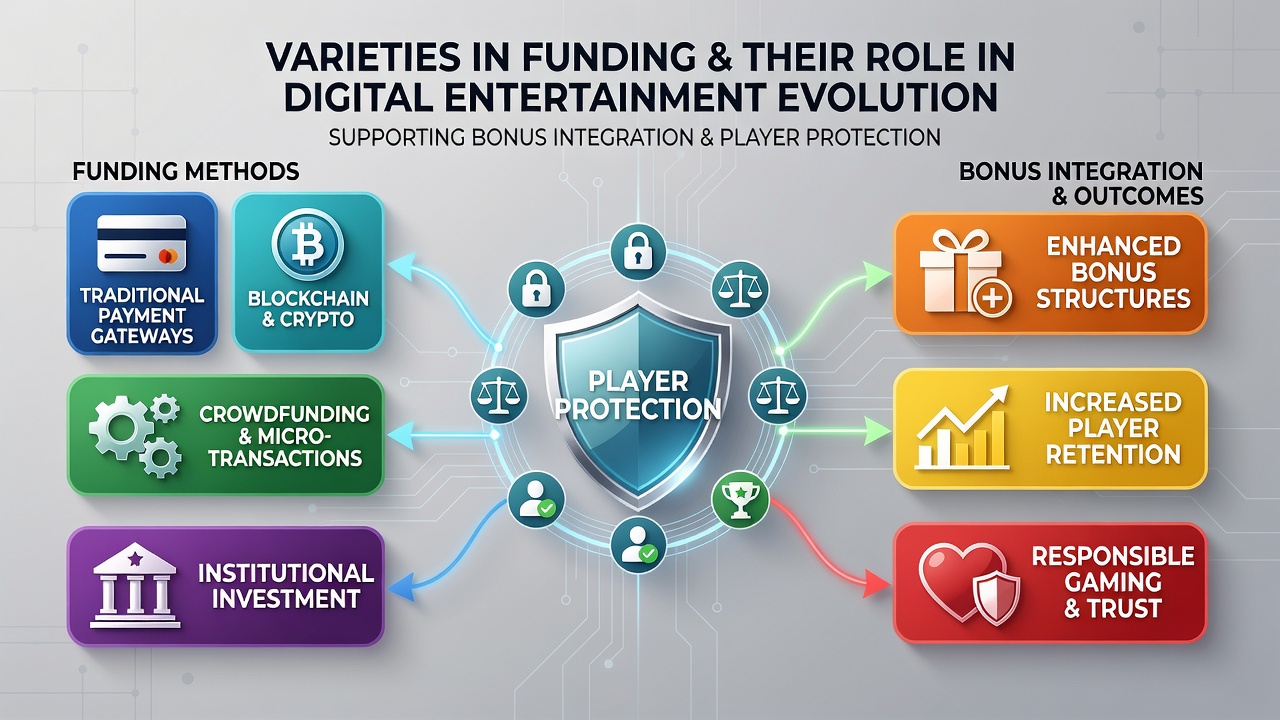
By July 2026 several major platforms had expanded their accepted methods to include region-specific options like instant bank apps popular in Scandinavia, and these additions brought new verification standards that further tightened bonus eligibility checks. The result appears in reduced chargeback volumes because payment providers handle initial disputes before they reach the gaming operator, which keeps bonus ledgers accurate and player accounts protected from unauthorized reversals.
Global Regulatory Influences on Payment-Bonus Integration
Regulators in multiple regions now require operators to demonstrate that chosen funding methods support both promotional fairness and harm minimization, and this has pushed platforms to document how each payment type maps to bonus terms and protection tools. A study published through the Responsible Gambling Council in Canada examined how e-wallet deposit limits correlate with lower rates of bonus-related overspending, and the findings suggest that players who use capped funding channels maintain steadier play patterns even when promotional offers are active. European operators have adopted similar reporting standards following updates from the European Commission on digital services, which emphasize transparency in how payments interact with reward systems. These requirements have led to standardized APIs that connect payment processors directly to bonus engines, allowing real-time adjustments when a player approaches predefined spending thresholds.
Practical Examples from Platform Operations
One large European operator introduced a tiered bonus structure where e-wallet deposits unlock higher match percentages than traditional cards, and the difference stems from faster verification that reduces risk exposure. Players using cryptocurrency options receive bonus credits only after network confirmations complete, which adds a natural cooling period that aligns with responsible gaming recommendations. In Australia, certain state-licensed sites link bank transfer deposits to mandatory cooling-off features before bonus activation, and this approach has been cited in local regulatory reviews as an effective way to separate funding from immediate promotional use. Such examples illustrate how the choice of payment method itself becomes part of the protection architecture rather than a separate technical layer.
Future Directions in Payment and Protection Alignment
Emerging technologies like instant settlement rails and programmable payment tokens are expected to further tighten the connection between funding sources and bonus controls, and early tests show that these tools can automatically pause promotions when external risk indicators appear. Industry associations across North America and Europe continue to share best practices on mapping payment features to player protection dashboards, which helps smaller operators adopt proven configurations without building everything from scratch. The ongoing evolution suggests that platforms will increasingly treat funding method selection as a core component of both marketing strategy and compliance infrastructure rather than a back-end operational detail.
Conclusion
Varied funding methods provide the structural support that allows bonus systems to operate efficiently while embedding protection measures at multiple points in the transaction flow. As digital entertainment continues to expand, the alignment between payment options, promotional tools, and regulatory expectations shapes how platforms manage both growth and accountability across different markets.