3 Jun 2026
Secure Verification Protocols Enhancing Continuous Engagement in Dynamic Reward and Prize Systems
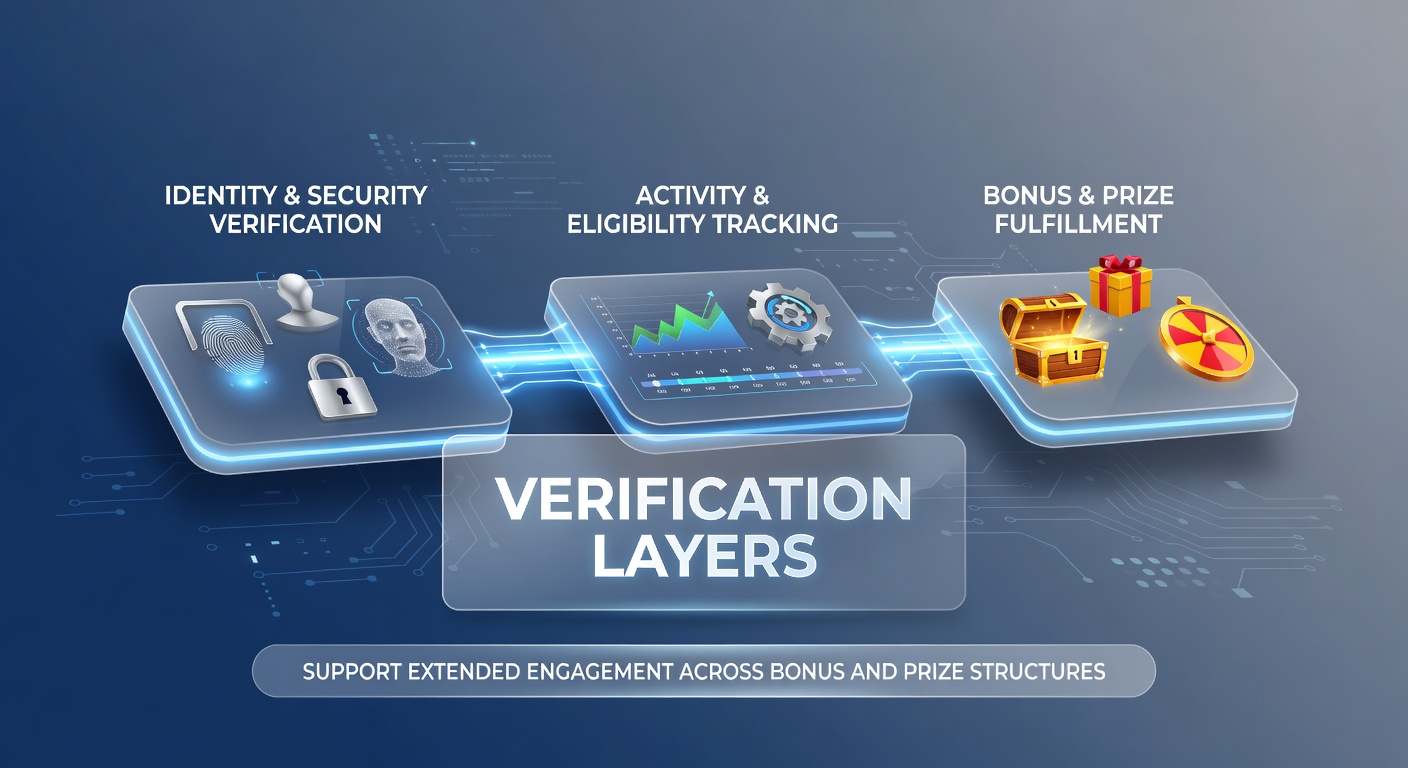
Verification protocols in digital gaming environments operate through multiple layers that authenticate user identity while maintaining access to bonus structures and prize distributions, and these systems combine document submissions with biometric data alongside behavioral analytics to create pathways for sustained participation. Operators deploy initial registration checks followed by progressive verification steps that unlock higher tiers of rewards as accounts demonstrate compliance over time, and data from regulatory bodies shows that such frameworks reduce fraud incidents by significant margins while supporting longer session durations across various platforms.
Core Components of Layered Verification
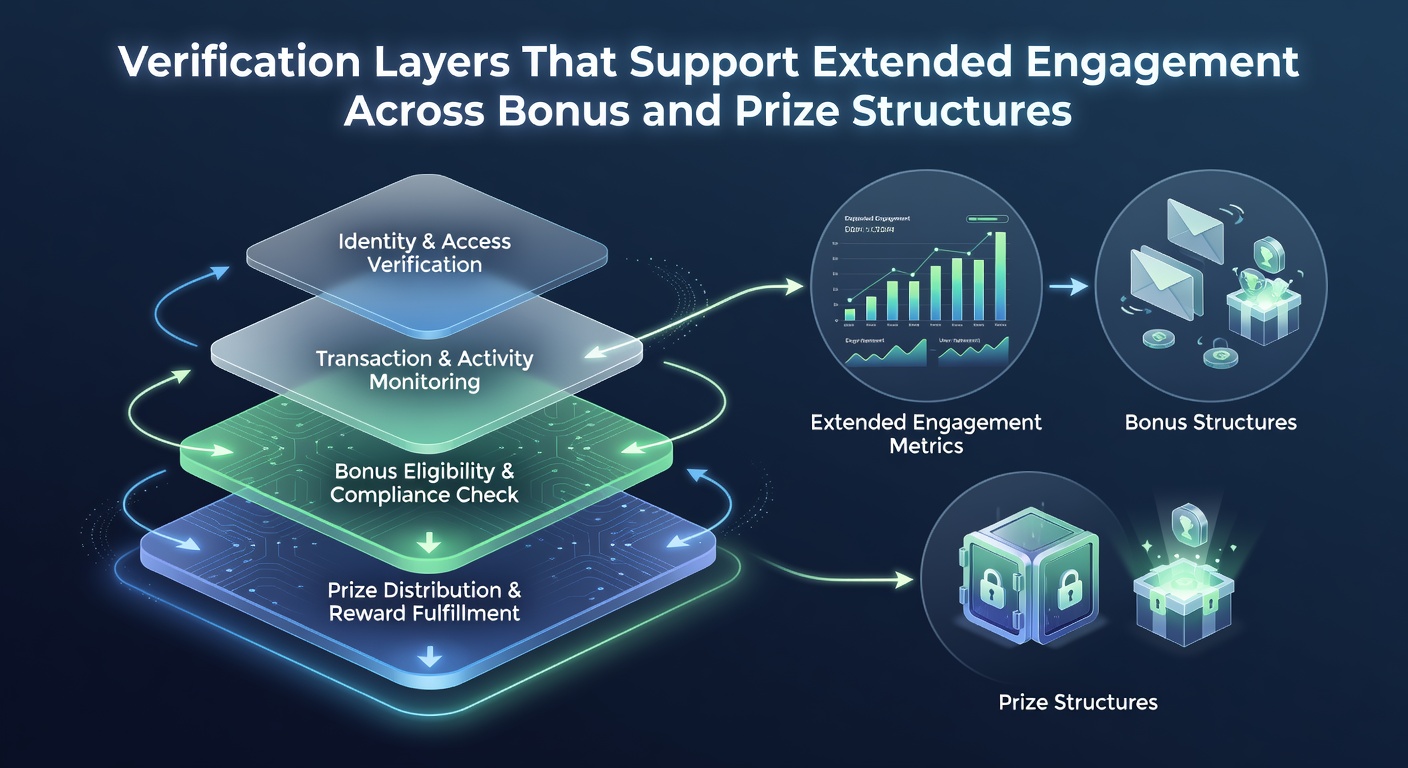
Basic identity confirmation forms the foundation through email and phone validations combined with government-issued document uploads, yet advanced stages incorporate facial recognition and address verification that align directly with eligibility for promotional offers. These sequential layers allow platforms to grant immediate entry to introductory bonuses while reserving escalated prize opportunities for fully authenticated profiles, and industry reports indicate that operators using this approach see improved retention rates because players progress through verification without abrupt interruptions to their activity.
Behavioral monitoring serves as an ongoing layer that tracks patterns such as deposit frequency and game selection, which then informs adjustments to available prize structures without requiring repeated manual interventions. Systems flag anomalies in real time and trigger supplemental checks only when necessary, thereby preserving the flow of extended engagement rather than halting it, while figures from global gaming oversight agencies reveal that integrated monitoring contributes to stable operational environments across multiple jurisdictions.
Integration With Bonus Mechanisms
Bonus activation relies on verified status to prevent misuse, and layered protocols enable conditional releases where partial verification unlocks free spin allocations while complete profiles access cashback programs and loyalty multipliers. This structure supports extended play sessions because players encounter clear milestones that encourage continued interaction, and studies conducted by research institutions demonstrate correlations between progressive verification and higher completion rates of bonus wagering requirements.
Platforms often link verification milestones to time-limited promotions that reward consistent participation, such as deposit match offers that scale with each authenticated level achieved. Data shows these connections create predictable reward pathways that maintain momentum across weeks or months, whereas fragmented systems without such integration tend to see quicker drop-offs once initial bonuses expire.
Support for Prize Structure Longevity
Progressive jackpot participation and tournament entries require higher verification thresholds that confirm ongoing eligibility, and these requirements integrate with session controls that allow players to maintain activity across multiple prize cycles. External analyses from organizations like the National Council on Problem Gambling highlight how robust authentication reduces disputes over prize claims and fosters trust that extends engagement periods. Operators report that players who complete full verification sequences participate in more layered prize events because the system recognizes their status automatically.
Geographic variations influence verification depth, with some regions mandating additional tax documentation for large prize redemptions that further embed these layers into the overall experience. Yet the outcome remains consistent in that verified users access diversified prize pools including hybrid reel and table game rewards without repeated onboarding friction, and June 2026 updates from international standards bodies are expected to standardize certain biometric thresholds that could streamline cross-border prize eligibility further.
Operational Examples Across Markets
One operator network implemented a three-stage verification sequence tied to escalating bonus tiers and observed measurable increases in average session length according to internal metrics shared with industry associations. Players moved from basic access to full VIP prize structures over defined periods, with each layer reinforcing compliance while delivering tangible reward increments that sustained interest. Similar patterns appear in reports from European trade groups where verification-linked loyalty programs correlate with reduced churn rates during promotional windows.
Academic examinations of gaming platforms, including work referenced through university research portals, have examined how verification reduces chargeback volumes and thereby stabilizes prize funding mechanisms. These findings point to extended user lifecycles when layers operate seamlessly rather than as standalone hurdles, and observers note that platforms adopting adaptive verification see better alignment between bonus deployment and prize fulfillment timelines.
Conclusion
Verification layers function as enablers rather than barriers when structured to align with bonus and prize ecosystems, and evidence from regulatory and industry sources confirms their role in supporting prolonged participation across diverse gaming formats. As systems evolve with new technological integrations, the emphasis remains on maintaining authentication integrity while preserving access pathways that reward consistent engagement through structured reward mechanisms.