24 Jul 2026
Synchronizing Reward Pathways: VIP Structures That Connect Free Spin Mechanics with Oversight Measures in Casino Settings
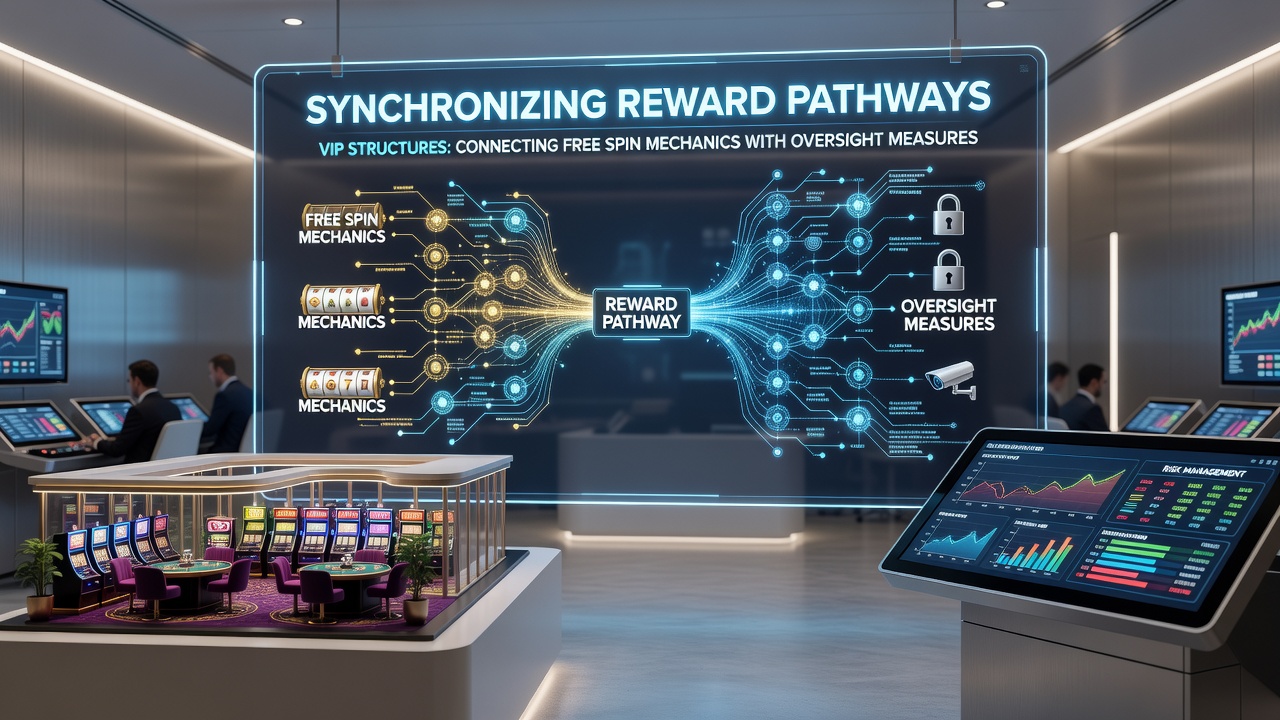
Free spin mechanics operate as entry points within broader casino reward systems, and operators align these features with tiered VIP structures that track player activity through defined metrics such as wager volume and session frequency. Regulatory frameworks require documentation of how these rewards distribute across player segments, with data collection protocols capturing spin allocations and redemption rates in real time.
Mechanics of Free Spin Integration in VIP Programs
Casino platforms assign free spins based on predetermined eligibility criteria that feed directly into VIP progression models, where accumulated points from standard play convert into higher-tier benefits including additional spin bundles and accelerated cashback percentages. Observers note that this linkage creates traceable pathways because each spin issuance logs against a unique player identifier that regulatory systems monitor for compliance with responsible gaming thresholds.
Systems synchronize these elements through backend algorithms that adjust reward frequency according to oversight parameters such as maximum daily allocations and mandatory cooling-off intervals. In July 2026 several jurisdictions implemented updated reporting standards that require operators to submit granular logs showing how free spin mechanics interact with VIP escalation rules, ensuring that promotions do not circumvent established spending limits.
Regulatory Oversight Structures and Data Requirements
Government agencies across multiple regions mandate that casinos maintain audit trails connecting free spin distributions to VIP account statuses, with independent verification bodies reviewing sample datasets quarterly. The Nevada Gaming Control Board publishes technical standards that specify how reward engines must interface with central monitoring systems to prevent unauthorized modifications to spin parameters or tier advancement logic.
Those who examine industry reports find that Australian state regulators similarly require disclosure of promotional mechanics, including the mathematical models that determine spin values relative to VIP loyalty multipliers. These rules emerged from collaborative efforts between gaming commissions and academic research groups studying behavioral patterns in reward redemption.
Technical Architecture Behind Synchronized Systems
Backend databases store player profiles as relational records where free spin inventories link to VIP tier histories through foreign key relationships, allowing oversight software to query compliance metrics without disrupting live operations. Software vendors design these architectures to flag discrepancies such as sudden spikes in spin issuance that exceed tier-based caps, triggering automated alerts to compliance teams.
One study revealed that platforms using real-time synchronization reduced audit preparation time by integrating oversight checkpoints directly into the reward engine rather than relying on post-session reconciliation. This approach allows continuous validation against regulatory benchmarks while players move through standard game cycles and VIP benefit unlocks.
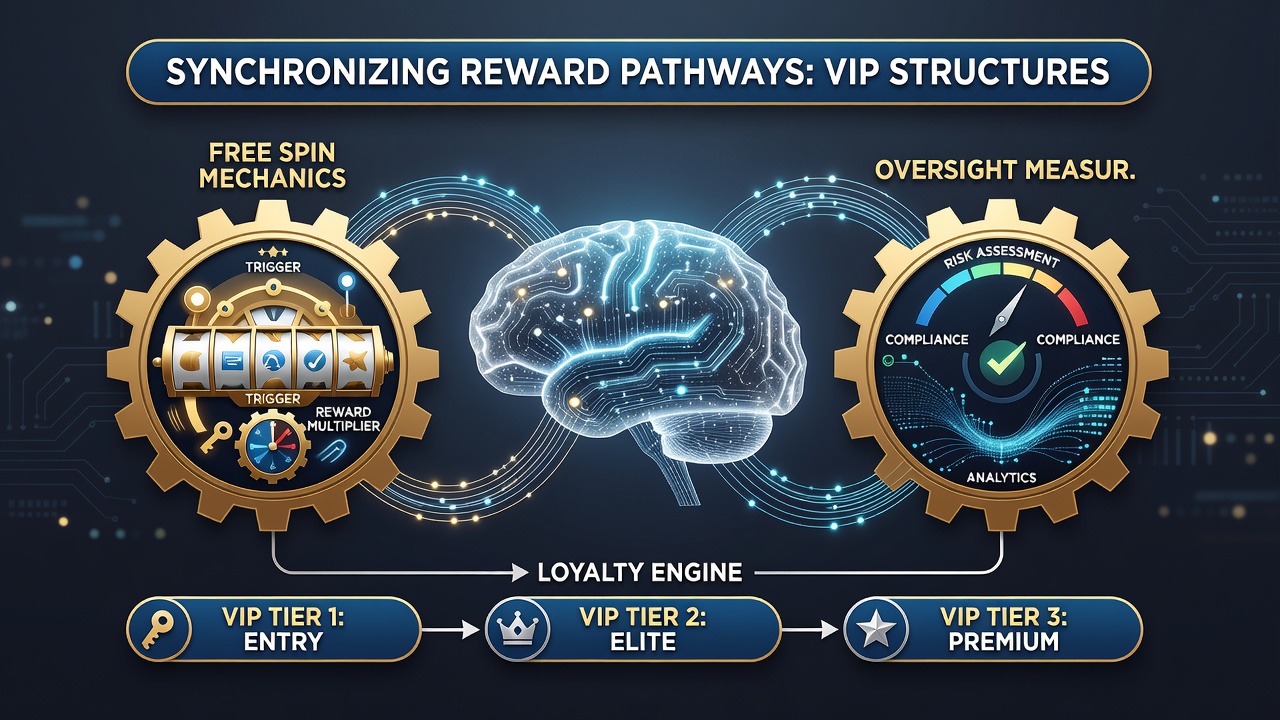
Payment processing modules also participate in the synchronization process because free spin winnings must route through verified channels that satisfy anti-money laundering checks before conversion into VIP redeemable credits. Industry organizations such as the New Jersey Division of Gaming Enforcement have issued guidance documents that detail how these transaction flows require timestamped records matching spin outcomes to subsequent account adjustments.
Case Examples from Operational Environments
Take one operator who deployed a unified rewards platform in early 2026 and discovered that free spin eligibility now automatically updated VIP status indicators within the same database transaction. This configuration satisfied new oversight measures because every reward event carried embedded metadata showing the originating mechanic and the resulting tier impact.
There's this case where researchers examined European casino networks and found that synchronized systems enabled more precise application of player protection tools, such as automatic exclusion from promotional spin pools once spending thresholds activated. Data from these implementations showed measurable alignment between reward distribution and regulatory reporting cycles.
Future Developments in Oversight Integration
Technical working groups continue to refine standards for API connections that allow regulatory portals to pull live snapshots of how free spins feed VIP pathways without exposing individual player identities. These developments build on existing frameworks and focus on scalability as more jurisdictions adopt digital oversight requirements effective through the remainder of 2026.
Figures reveal that operators investing in modular reward architectures experience smoother transitions when new oversight rules take effect, because the core synchronization logic already accommodates parameter changes without full system rebuilds. Academic institutions have begun publishing comparative analyses of these architectures across North American and Asia-Pacific markets.
Conclusion
The synchronization of free spin mechanics with VIP structures under regulatory oversight creates interconnected systems where each component supports verifiable compliance and operational transparency. Data collection protocols, technical architectures, and cross-jurisdictional standards continue to evolve in response to implementation experiences documented through 2026. These frameworks ensure that reward pathways remain traceable while meeting the distinct requirements of player segmentation and external monitoring bodies.