3 Jul 2026
The Interplay of Payment Channels, Reward Structures, and Safety Frameworks in Digital Reel Gaming
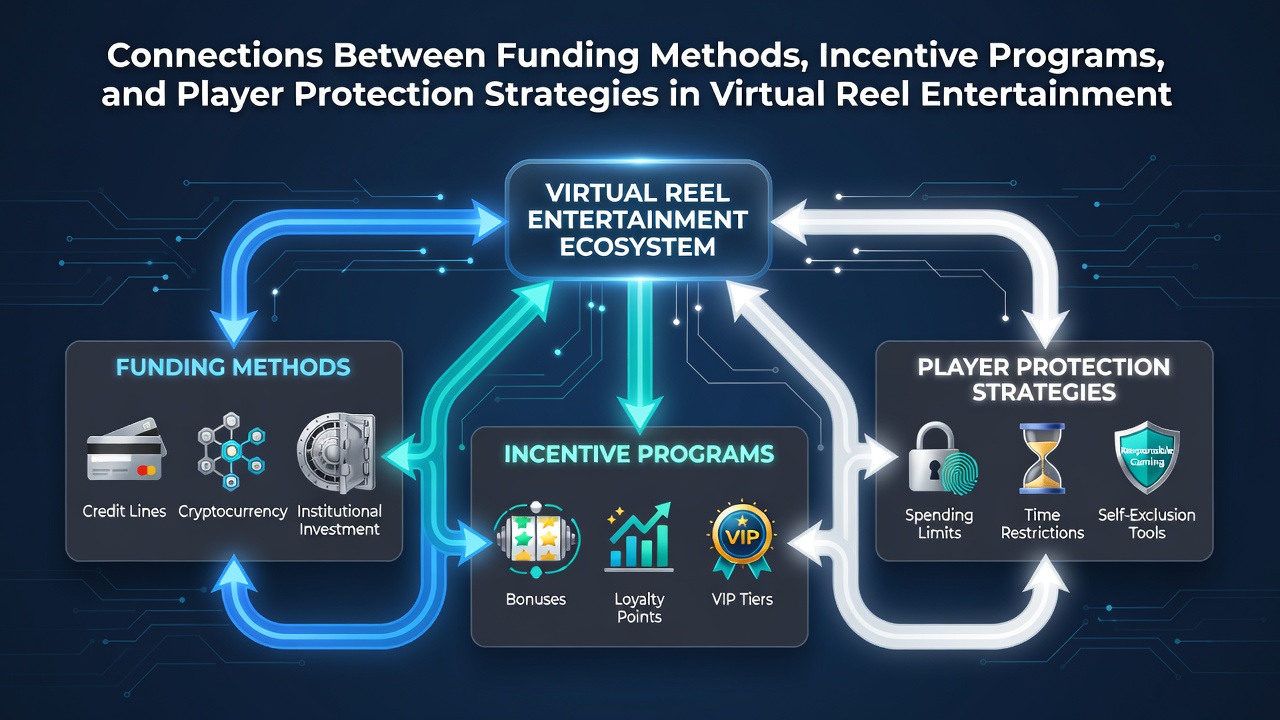
Payment channels form the foundation for how players access virtual reel entertainment, and these methods often integrate directly with both incentive structures and protection measures across global markets. Credit cards, e-wallets, bank transfers, and prepaid options each carry distinct processing speeds and verification requirements that operators use to shape bonus eligibility while embedding spending controls from the outset. Data from regulatory bodies in multiple jurisdictions shows that platforms frequently link deposit speed to reward activation, creating pathways where quicker funding unlocks free spins or deposit matches yet simultaneously triggers automated limit checks.
Payment Methods Shape Access and Tracking Capabilities
E-wallets such as PayPal and Skrill enable near-instant transfers that operators pair with time-sensitive incentives, whereas traditional bank wires introduce delays that can restrict bonus windows yet allow more thorough identity verification before funds reach an account. Cryptocurrency options have expanded in certain regions since 2025, offering anonymity alongside blockchain transparency that some systems harness for real-time transaction monitoring. Observers note that these varied channels create natural checkpoints where incentive programs activate only after funding clears basic compliance filters, which in turn feed data into player protection dashboards.
July 2026 brought updated reporting standards from the Australian Communications and Media Authority that require operators to log funding source types alongside any linked promotional activity, revealing patterns where certain payment methods correlate with higher engagement in reward tiers. Those patterns help systems flag accounts that might benefit from voluntary deposit caps or session reminders before incentives escalate play volume. Research indicates that integration of these elements reduces instances where players exceed pre-set budgets because the funding method itself becomes part of the protective architecture rather than operating separately.
Incentive Programs Built Around Funding Behaviors
Operators design bonus structures that respond directly to deposit patterns, offering escalating rewards for consistent use of verified channels while routing those same deposits through protection layers such as loss limits or cool-down periods. VIP programs often tie tier advancement to cumulative funding volume, yet many now incorporate mandatory protection reviews at each threshold so that players advancing through reward ladders receive updated risk assessments alongside new perks. Studies from academic sources have examined how these layered systems influence behavior, finding that incentives tied to tracked funding sources encourage earlier adoption of self-exclusion tools when spending accelerates.
One analysis published by researchers at the University of Nevada examined transaction data across several platforms and noted that players using e-wallets with built-in spending notifications activated responsible gaming features at higher rates than those relying on credit cards without such integrations. The connections extend further when loyalty points earned through deposits convert into responsible gaming credits that fund counseling resources or extended exclusion periods. This approach transforms incentive programs from pure engagement tools into vehicles that reinforce protection strategies without requiring separate player action.
Protection Strategies Integrated at the Funding Level
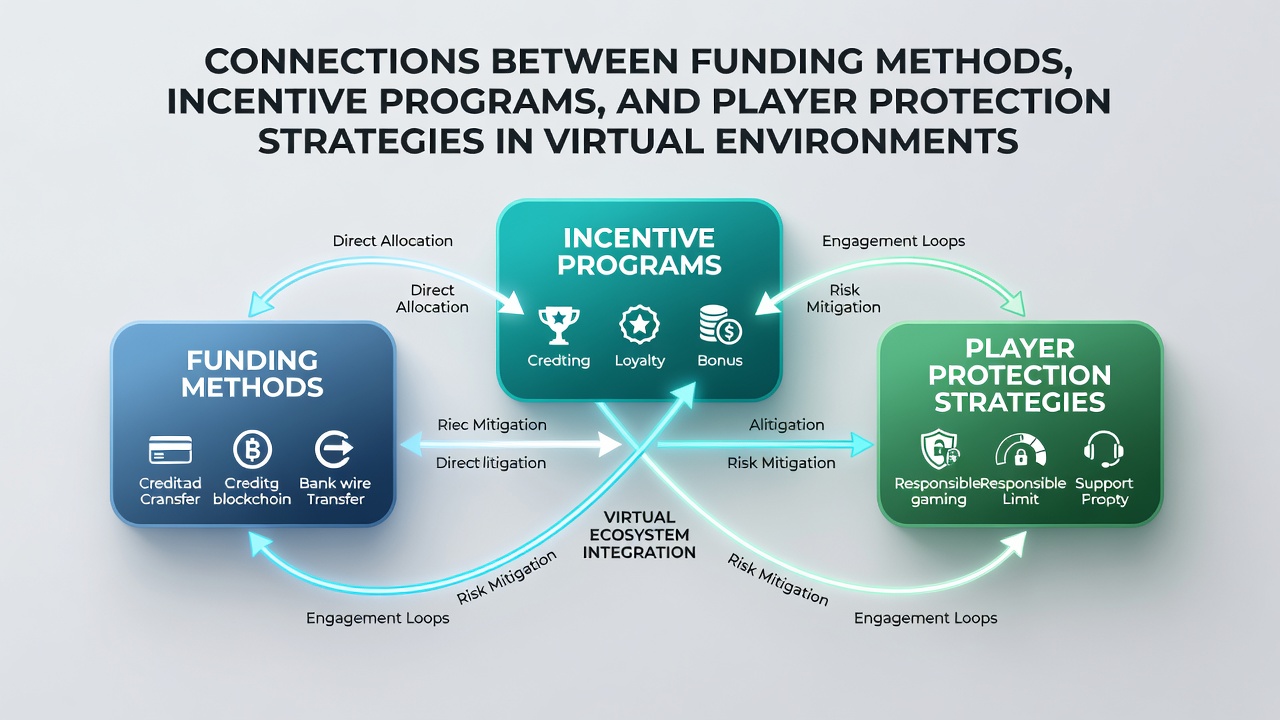
Modern platforms embed player protection directly into payment processing workflows rather than treating safeguards as standalone features. Deposit limit tools activate automatically when funding originates from certain channels, while reality-check prompts appear at intervals calibrated to the size and frequency of incoming transactions. Self-exclusion databases now cross-reference with payment providers in several markets, blocking deposits from excluded accounts across multiple operators simultaneously. These technical links mean that incentive eligibility checks occur only after protection status has been verified, preventing rewards from reaching accounts under temporary restrictions.
Canadian regulatory frameworks through the Alcohol and Gaming Commission of Ontario have required such integrations since early 2026, resulting in documented reductions in bonus claims from accounts that triggered spending alerts within the prior thirty days. Similar approaches appear in European markets where payment gateways must support API connections to national gambling registries, ensuring that any incentive program query includes real-time protection status. The result is a system where funding methods serve as the entry point for both rewards and safeguards, creating a unified data flow that tracks activity from the first deposit onward.
Emerging Patterns Across Jurisdictions
Cross-border comparisons reveal that markets with tighter funding verification rules also report stronger linkage between incentive uptake and protection tool usage. In jurisdictions where prepaid vouchers dominate, operators face fewer instances of rapid deposit sequences that bypass early warning systems, while markets favoring instant e-wallets see higher adoption of mobile-based limit-setting tools that travel with the payment method itself. Industry reports compiled by the European Gaming and Betting Association highlight that these regional differences stem from how payment infrastructure either supports or limits the simultaneous operation of rewards and safeguards.
Operators continue refining algorithms that weigh funding source risk alongside incentive history to adjust protection prompts dynamically. When a player shifts from low-risk bank transfers to higher-velocity methods, systems may introduce additional verification steps before releasing new bonuses, thereby maintaining continuity between funding behavior and safety measures without disrupting the overall experience.
Conclusion
The connections between funding methods, incentive programs, and player protection strategies in virtual reel entertainment operate through shared data streams and technical integrations that treat deposits as the common trigger point. Regulatory updates in mid-2026 across multiple regions have accelerated these linkages, requiring platforms to align reward eligibility with real-time protection status derived directly from payment activity. As transaction channels evolve, the same infrastructure that activates bonuses increasingly serves to enforce spending boundaries and exclusion protocols, producing a cohesive framework where each element reinforces the others through continuous information exchange rather than isolated functions.