UK Gambling Commission Data Shows Online Slots Growth Amid Stake Limit Effects
11 Mar 2026
UK Gambling Commission Data Shows Online Slots Growth Amid Stake Limit Effects

The UK Gambling Commission has released its latest operator data covering gambling behaviour up to December 2025, and this marks the third quarter following the rollout of maximum stake limits for online slots back in April 2025; those limits cap spins at £5 for adults aged 25 and over, while younger players aged 18 to 24 face a £2 per spin restriction, changes designed to reshape how people engage with these games.
What's interesting here is how the numbers paint a picture of continued growth in key areas, even as certain session habits shift noticeably; online slots gross gambling yield, or GGY—which represents the net win for operators after payouts—climbed 10% year-on-year to reach £788 million, a figure that underscores the sector's resilience despite the new rules in play.
Breaking Down the Core Metrics
Total spins on online slots rose 7% compared to the previous year, hitting 25.7 billion in total, while average monthly active accounts increased by 5% to 4.6 million; these upticks suggest more people are participating, and they're spinning more frequently, although the stake caps mean each spin carries less financial weight for the player.
Data reveals that sessions lasting over one hour dropped sharply by 16% to 8.9 million, accounting for just 4.4% of all sessions during this period, and the average session length shortened by two minutes to 16 minutes overall; observers note this pattern aligns with expectations from the stake limits, as lower maximum bets per spin could naturally encourage shorter play times since players adjust their pacing to fit within tighter spending boundaries.
- Gross Gambling Yield: Up 10% YoY to £788 million
- Total spins: Up 7% to 25.7 billion
- Average monthly active accounts: Up 5% to 4.6 million
- Sessions over 1 hour: Down 16% to 8.9 million (4.4% of total)
- Average session length: Down 2 minutes to 16 minutes
Those who've tracked previous quarters since the April introduction see these trends building; for instance, the steady rise in active accounts points to broader accessibility or appeal, yet teh dip in prolonged sessions hints at behavioural nudges taking hold, where players log shorter bursts rather than extended marathons.
But here's the thing: as March 2026 rolls around with this data fresh from February's publication, industry watchers are eyeing how these patterns hold up against seasonal fluctuations or upcoming regulatory tweaks; the Gambling Commission's report, covering the full year-end stretch to December 2025, provides a snapshot that's already sparking discussions on whether the limits are striking the right balance between commercial viability and player protection.
Context of the Stake Limits Rollout
The maximum stake rules kicked in across online slots platforms from April 2025, targeting a segment known for high-volume, high-speed play; for players 25 and older, the £5 cap per spin replaced uncapped betting in many cases, whereas 18-24-year-olds operate under the stricter £2 limit, a measure rooted in efforts to shield younger users who data suggests might be more vulnerable to rapid losses.
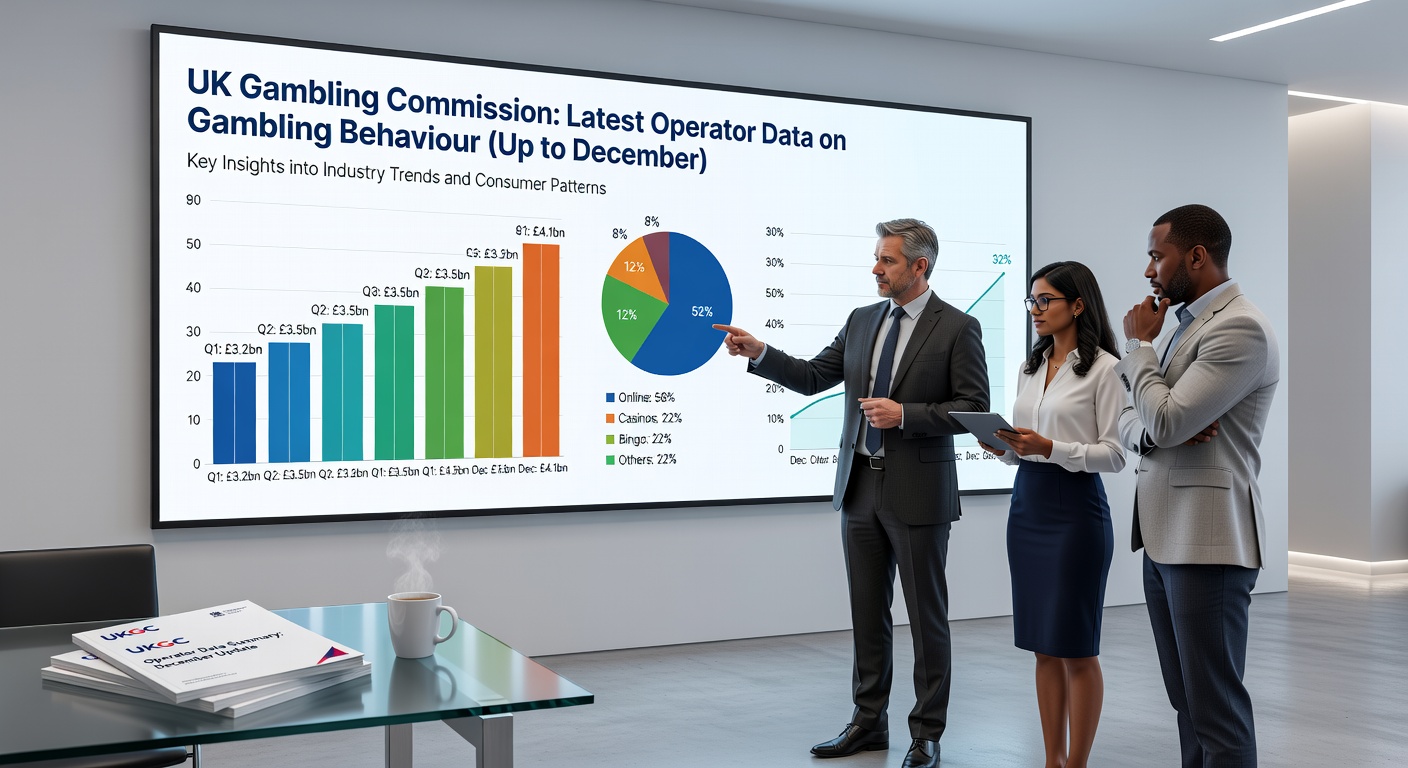
Figures from this third-quarter review show operators adapting swiftly, with GGY growth outpacing spin volume increases—10% versus 7%—which implies higher margins per spin or shifts in game selection toward higher RTP (return to player) titles that still yield solid returns under the caps; average monthly active accounts at 4.6 million reflect steady user retention, as platforms roll out features like responsible gambling tools or promotional spins compliant with the new rules.
Take one case where researchers examining pre-limit data found average sessions pushing 20 minutes or more with higher stakes fueling longer engagement; now, with the two-minute drop to 16 minutes, that same scrutiny highlights how enforced moderation ripples through, reducing the 8.9 million long sessions that once made up a larger slice of activity.
Shifts in Player Behaviour Patterns
Sessions exceeding one hour, now a mere 4.4% of the total, stand out as the most telling metric; this 16% decline to 8.9 million instances suggests players are self-regulating more effectively, perhaps because lower stakes per spin stretch budgets further and prompt earlier breaks, a dynamic that's evident when cross-referencing total spins against session counts.
And while total spins hit 25.7 billion—a 7% jump—spread across more active accounts, the math works out to marginally fewer spins per user on average, yet with sustained interest keeping monthly figures at 4.6 million; experts who've pored over the operator data point out that this combination fosters a landscape where volume grows without unchecked escalation in time spent.
It's noteworthy that the GGY surge to £788 million comes despite these curbs, as operators report innovations like stake-stepping features or session reminders gaining traction, helping maintain yields while aligning with Commission guidelines; people familiar with the beat recall how initial post-limit quarters showed volatility, but by December 2025, stability emerges with growth metrics leading the way.
Now, as the data lands in early 2026, stakeholders from operators to advocacy groups are dissecting these numbers; for example, one analysis shared in industry circles calculates that the average session's shorter duration correlates directly with stake reductions, potentially lowering overall spend per user by encouraging mindful play over autopilot spinning.
Year-on-Year Comparisons in Detail
Comparing December 2025 to the prior year, the 10% GGY uplift to £788 million outstrips inflation or market expectations, driven by a 7% spin increase that leverages the vast 25.7 billion total; active accounts, up 5% to 4.6 million monthly, indicate no mass exodus, but rather a recalibration where 16-minute averages replace longer hauls, and those stubborn one-hour-plus sessions shrink to 4.4% prevalence.
Implications for Operators and Players
Operators face the reality of adapting product suites to thrive under £5 and £2 caps, rolling out low-stake variants that boost spin counts without inflating session risks; data indicates this strategy pays off, as evidenced by the metrics holding firm through the third quarter.
Players, meanwhile, encounter a nudged environment where 8.9 million long sessions fade into the background, supplanted by quicker 16-minute dips that keep engagement high across 4.6 million accounts; turns out, the limits don't deter participation—spins climb, yields follow—yet they trim the extremes that once dominated.
Those studying longitudinal trends note how this quarter's data builds on prior releases, solidifying a trajectory where growth and restraint coexist; with March 2026 bringing fresh eyes to these figures, the Gambling Commission's oversight continues shaping an industry that's evolving, one capped spin at a time.
It's not rocket science: when stakes drop, sessions adjust, but the core appeal endures, pulling in spins and accounts while dialing back marathon plays; observers keep watch, knowing next quarter's numbers will test if this balance persists.
Conclusion
The UK Gambling Commission's data to December 2025 captures a pivotal moment three quarters into online slots stake limits, with GGY rising 10% to £788 million, spins up 7% to 25.7 billion, and active accounts at 4.6 million, all while long sessions plummet 16% to 8.9 million and averages settle at 16 minutes; these shifts signal the rules' influence on behaviour, fostering shorter, potentially safer play without halting sector momentum.
As discussions heat up into March 2026, the report stands as a benchmark for what's working—and where refinements might land next; industry players and regulators alike reference these stats, underscoring a market that's adapting robustly to protective measures while sustaining key growth drivers.