12 Jun 2026
Vault Keys to the Casino Floor: Payment Pathways That Align Bonuses, VIP Status, and Player Protection Standards
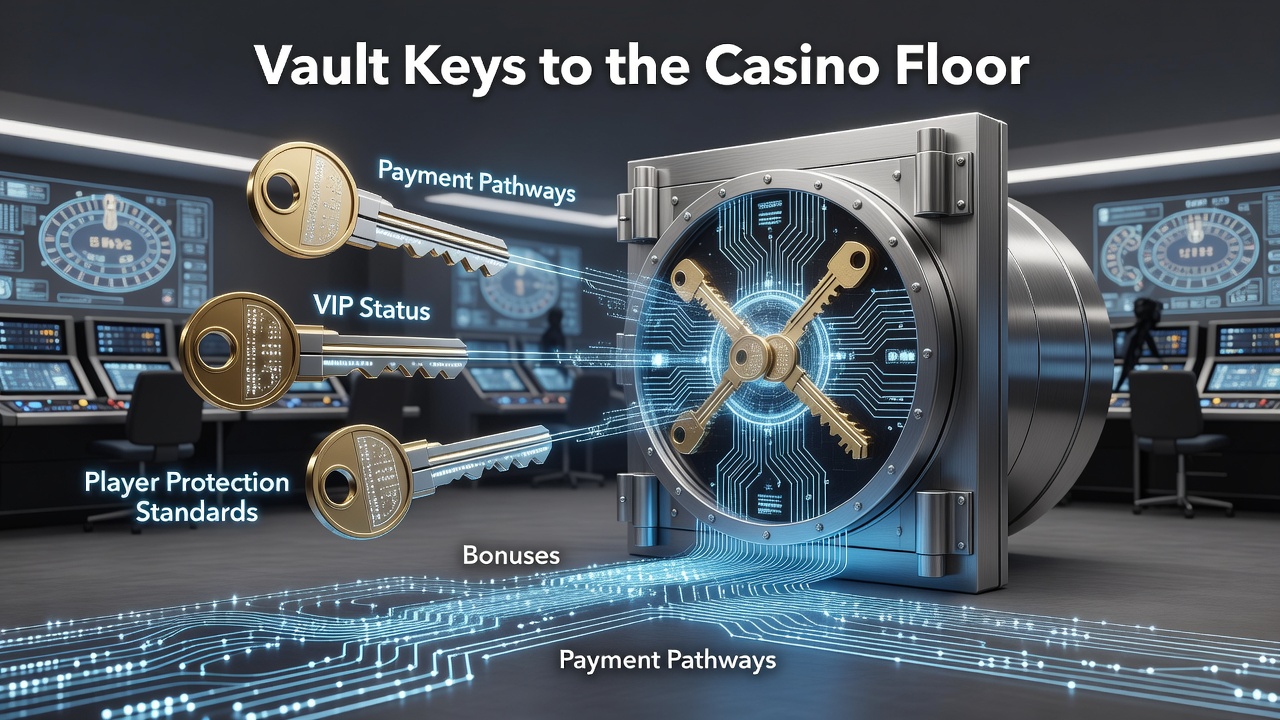 Payment pathways function as the operational backbone that links deposit methods with bonus activation, VIP progression, and compliance frameworks across regulated gaming environments. Operators deploy these systems to verify transactions in real time while routing funds through channels that satisfy both promotional incentives and mandatory player safeguards. Data from industry tracking services shows that seamless integration between payment processors and account management platforms reduces processing delays and supports continuous play sessions without interrupting reward accumulation. Researchers at the University of Nevada's International Gaming Institute have documented how specific payment types trigger tiered bonus structures based on deposit volume and frequency. Credit card transactions often unlock instant match bonuses because processors complete authorization within seconds, whereas bank transfers require additional verification steps that delay bonus credits. These differences influence player behavior patterns as tracked in operational reports from multiple jurisdictions.
Payment Methods and Bonus Synchronization
E-wallets such as PayPal and Skrill route deposits through dedicated APIs that flag qualifying transactions for automatic bonus allocation. Systems identify eligible deposits by amount thresholds and apply free spin packages or cashback percentages without manual intervention. Operators configure these rules in backend software so that each successful payment updates both the balance and the loyalty ledger simultaneously.
Alternative options like prepaid vouchers or cryptocurrency wallets introduce distinct verification layers. Crypto pathways encrypt transaction details before they reach the casino server, which allows for faster bonus unlocks in some markets while still requiring identity confirmation to meet regulatory thresholds. Observers note that players using these methods frequently advance through initial VIP levels more rapidly because deposit speed correlates directly with point accrual rates.VIP Status Elevation Through Transaction Pathways
VIP programs calculate status points from net deposits processed via approved channels, and payment providers supply the raw data feeds that populate these calculations. High-volume users who route funds through premium processors receive accelerated tier advancement because the platforms record larger average transaction sizes. Casinos then grant corresponding benefits including higher withdrawal limits, personalized promotions, and dedicated account managers once thresholds are crossed.

June 2026 updates in several North American markets introduced standardized reporting requirements for VIP tracking, compelling operators to log payment source details alongside status changes. These measures ensure transparency when players move between tiers and prevent discrepancies between bonus claims and actual deposit histories.
Player Protection Standards Embedded in Payment Flows
Regulatory frameworks require payment processors to incorporate spend limit tools and self-exclusion flags at the transaction level. When a player sets a daily deposit cap through the casino interface, the payment gateway enforces that cap before authorizing further transfers. This integration prevents circumvention and maintains consistent protection across all funding methods.
According to reports published by the Nevada Gaming Control Board, operators must maintain audit trails that link every deposit to responsible gambling interventions. Payment providers supply timestamped records that allow regulators to verify compliance during periodic reviews. Those records also support automated alerts when spending patterns indicate potential issues, triggering temporary holds or outreach from support teams.
Canadian provincial regulators in Ontario have similarly emphasized that payment pathways must support real-time balance checks against exclusion lists maintained by the Alcohol and Gaming Commission of Ontario. Systems cross-reference player accounts during each deposit attempt, blocking transactions from restricted individuals without exposing personal details to the casino operator itself.
Case Examples of Integrated Systems
One European operator implemented a unified payment dashboard that displays bonus eligibility, current VIP points, and remaining protection limits on a single screen. Players see how each deposit contributes to multiple objectives at once, which streamlines decision-making. The platform logs every action for compliance audits while allowing instant adjustments to personal limits.
Another deployment in the Asia-Pacific region connected cryptocurrency gateways directly to VIP databases, enabling point awards within minutes of blockchain confirmation. Protection protocols remained intact because the same gateway enforced jurisdictional deposit caps regardless of currency type. Figures from trade association summaries indicate that such integrations increased player retention metrics without elevating risk indicators tracked by oversight bodies.
Conclusion
Payment pathways continue to evolve as the connective tissue between promotional mechanics, loyalty structures, and mandatory safeguards in regulated gaming. Their design determines how quickly bonuses activate, how efficiently VIP tiers advance, and how effectively protection standards operate in practice. Ongoing technical refinements ensure these systems remain synchronized across expanding regulatory landscapes while supporting operational efficiency for both providers and participants.