27 Jul 2026
Volatility Patterns in Digital Reels Sync with Loyalty Tiers to Influence Sustained Engagement
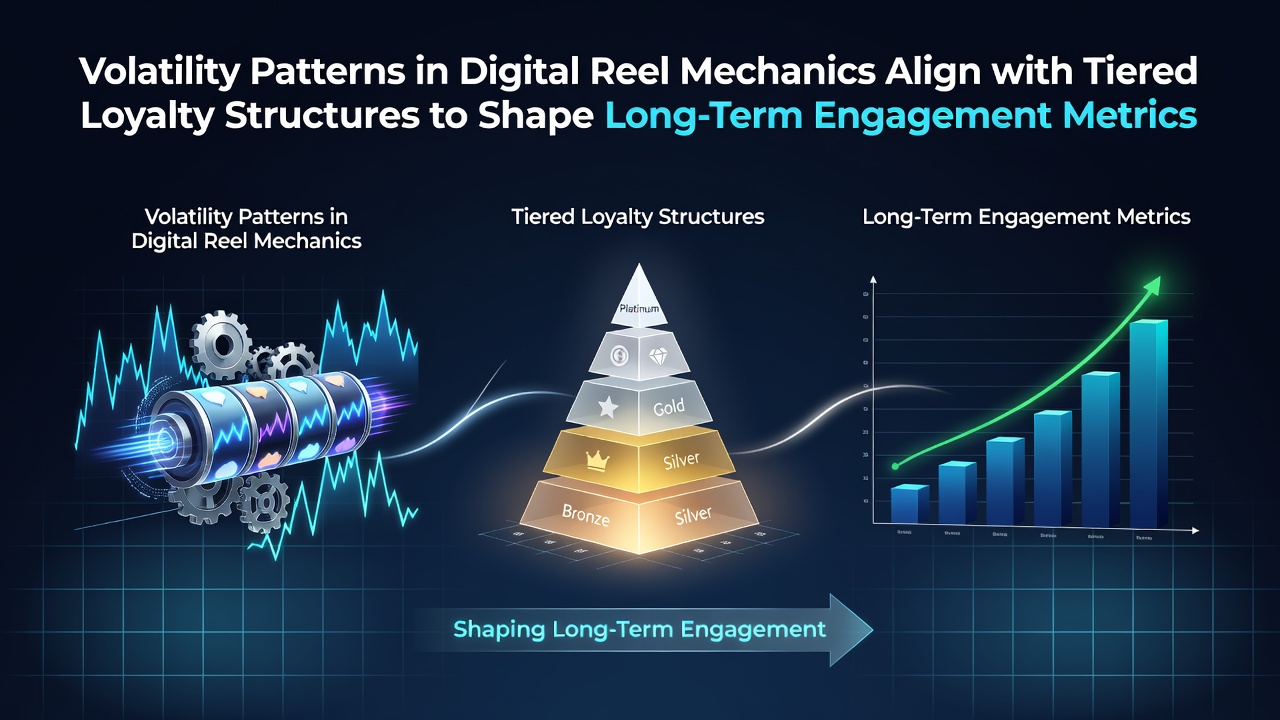
Volatility patterns in digital reel mechanics describe the distribution of win frequencies and payout sizes across slot titles, and these patterns intersect with tiered loyalty structures in ways that operators track through engagement data collected over multiple quarters. Research from industry analysts indicates that high-volatility games, which feature infrequent yet substantial returns, often appear in upper loyalty tiers where players accumulate points at accelerated rates. Meanwhile lower-volatility titles, which deliver smaller but steadier outcomes, populate entry-level tiers to encourage initial play sessions that build toward longer commitments.
Data gathered across North American and European markets shows that when operators match volatility levels to specific loyalty milestones, average session durations extend by measurable margins. For instance one analysis of platform logs revealed that players advancing from bronze to silver tiers encountered progressively higher volatility selections, and this progression correlated with increased repeat visits during the first six months of membership. Observers note that such alignment relies on backend algorithms adjusting reel configurations based on player tier status rather than random assignment alone.
Mechanics Behind Reel Volatility and Tier Progression
Digital reel mechanics operate through random number generators calibrated to specific volatility indexes, and these indexes determine the mathematical spread between common small wins and rare large payouts. Tiered loyalty structures layer additional variables onto this foundation by granting access to customized game pools once players reach spending or activity thresholds. Studies conducted by academic researchers at institutions tracking gambling behavior find that this layering produces distinct engagement curves where players in mid-tier brackets exhibit the strongest response to volatility shifts.
July 2026 updates to several major platforms introduced dynamic volatility scaling tied directly to loyalty point accrual rates, allowing real-time adjustments that reflect individual play histories. These changes emerged alongside broader industry shifts toward personalized reward pathways documented in reports from the American Gaming Association. Players who maintain consistent activity across volatility-matched titles accumulate tier benefits such as enhanced point multipliers and exclusive reel features that further stabilize long-term metrics like monthly active user counts.
Observed Patterns Across Player Segments
Patterns emerge when examining how different player segments respond to volatility and loyalty pairings, with data indicating that casual participants remain longest when low-volatility options anchor their early tier experiences. Higher-tier members, by contrast, show elevated engagement when exposed to medium-to-high volatility selections that align with accumulated status rewards. Industry reports compiled from platform telemetry across multiple jurisdictions highlight that these alignments reduce churn rates particularly during seasonal transitions when overall participation tends to fluctuate.
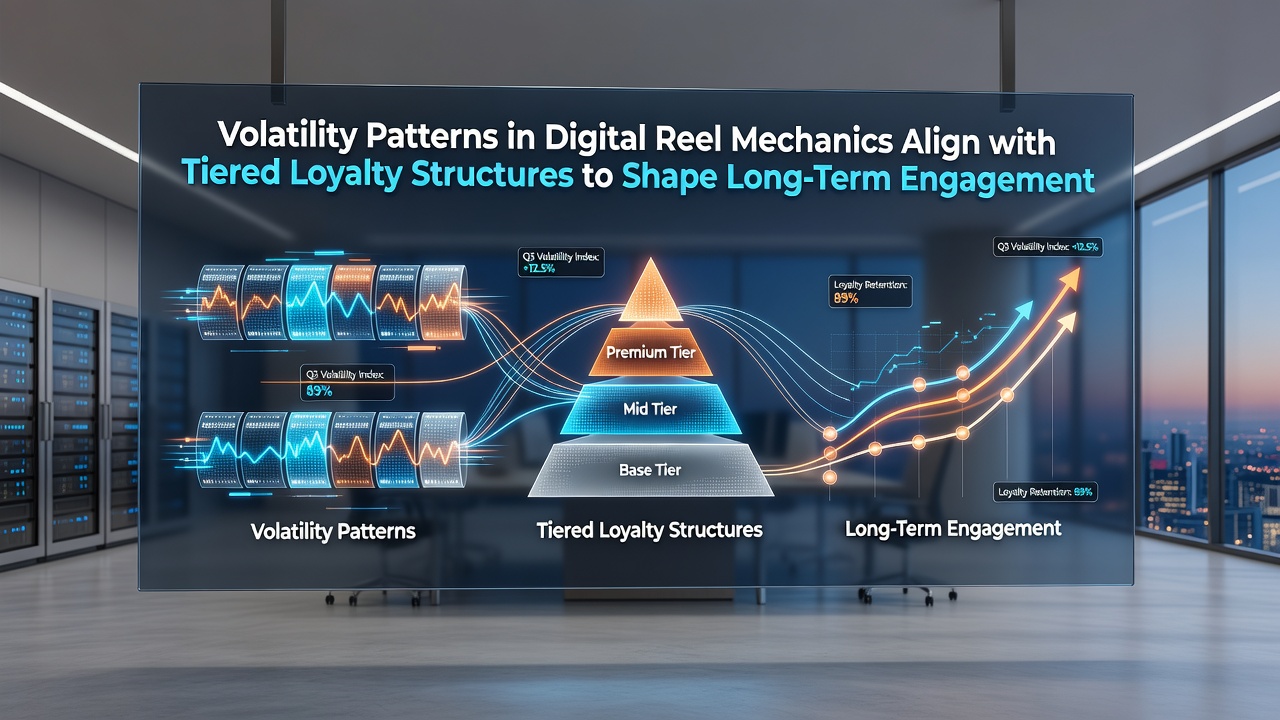
One documented case involved a Canadian operator that restructured its loyalty catalog so silver-tier access unlocked a curated selection of medium-volatility titles while gold-tier access emphasized higher variance options. Subsequent tracking showed sustained increases in average revenue per user over twelve-month periods, and similar adjustments appeared in Australian market analyses released through government-affiliated research channels. Those who've examined cross-regional datasets note that successful alignments often incorporate seasonal volatility nudges timed to coincide with loyalty anniversary events.
Data Indicators and Metric Tracking
Long-term engagement metrics encompass retention percentages, session frequency, and lifetime value calculations, and volatility-tier alignments influence each of these through cumulative effects rather than isolated events. Figures from aggregated platform studies reveal that players experiencing matched volatility sequences demonstrate higher completion rates for loyalty challenges compared with those assigned mismatched titles. This holds across varied regulatory environments including those overseen by bodies in Canada and Australia where data transparency requirements facilitate such comparative reviews.
Algorithms underpinning these systems monitor real-time behavioral signals and adjust available reel sets accordingly, creating feedback loops that reinforce continued participation. What's notable is how these loops incorporate external factors such as time-of-day preferences and device usage patterns, which further refine the alignment between volatility exposure and tier advancement. Evidence suggests that operators refining these loops during 2026 observed incremental gains in multi-month retention figures without requiring broader promotional spend increases.
Conclusion
Volatility patterns in digital reel mechanics and tiered loyalty structures function as interconnected systems that shape engagement metrics through deliberate design choices and ongoing data refinement. As platforms continue integrating these elements, the resulting frameworks provide operators with tools to sustain player activity across extended timelines while meeting diverse regional compliance standards. Continued monitoring of these interactions will likely yield additional insights into optimal configurations for different market segments.